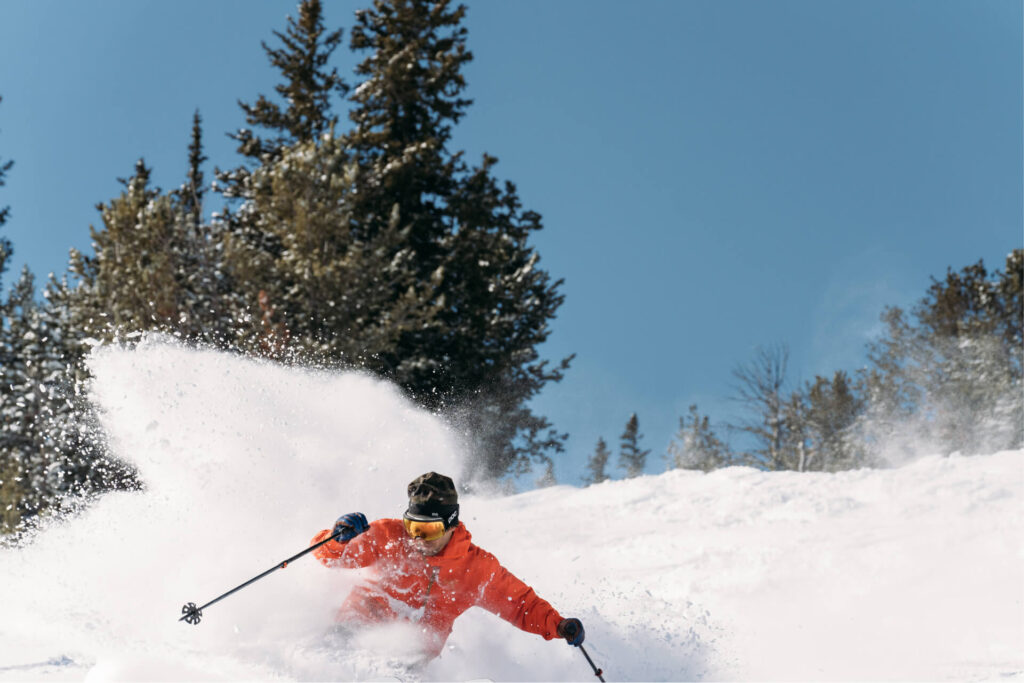
Summer skiing may sound like an oxymoron, but thanks to high-elevation glaciers in Europe and North America, plus the Southern Hemisphere’s June-through-October winter, it’s possible to ski any time of year. A handful of glaciers in the Alps and a few North American resorts keep skiing going into summer, but if you’re chasing real winter conditions, your best bet is to head south. Southern Hemisphere resorts start seeing snow in May and typically open in June, so New Zealand, Australia, Chile, and Argentina are all fantastic options.
Here are our picks for the coolest ski resorts around the world for skiing and riding in summer. Summer operating dates and hours depend on snow and weather, so check each resort’s website before you go.
The Best Ski Resorts to Visit in Summer
Hintertux, Austria
The Hintertux Glacier is one of the few ski areas in the world open year-round, closing only in extreme weather. In summer, it typically has up to about 20 km (roughly 12 miles) of slopes open, with a good range of runs for all levels, though it’s best known for its steep, challenging terrain. Freestyle fans can find lines for every ability at Betterpark Hintertux, which typically runs in spring and again from the fall, so check the park’s schedule if you’re planning a summer trip.

Tignes, France
Tignes’ Grande Motte Glacier has varied terrain, with blue, red, and black runs served by chairlifts and drag lifts. The summer ski area typically stays open into July, depending on snow conditions, and offers kilometers of downhill skiing, plus freestyle terrain, cross-country skiing, and a restaurant with a view. The glacier closes in the early afternoon, which is the perfect excuse to start après-ski early or head down to the water at Lac de Tignes.

Zermatt, Switzerland
Open year-round, Zermatt boasts roughly 21 km (about 13 miles) of summer skiing on the glacier below the Matterhorn Glacier Paradise, the highest and largest summer ski area in Europe. In addition to snow-sure pistes, Zermatt’s summer terrain park is a favorite of snowboarders and freestyle skiers, with one of the best views anywhere of the iconic Matterhorn. Visitors can enjoy summer ski school programs as they share the slopes with ski teams in training, and there’s a beginner area near the Italian border for those trying snow sports for the first time. Summer skiing at Zermatt typically wraps up around midday, so start early.

Saas-Fee, Switzerland
The Allalin Glacier above Saas-Fee typically offers summer and fall skiing from mid-July into the fall. The lifts usually run until early afternoon, depending on the time of year, so double-check times as you plan your day, and arrive early to beat the slush.
The roughly 20-kilometer summer ski area, just edged in size by Zermatt’s, is well suited to intermediates and is especially popular with freestylers and race teams. The snowpark has a halfpipe, kickers, rails, boxes, and transitions for all skill levels, and the glacier has a restaurant and sun terrace for lunch and drinks.

Timberline Lodge, Oregon
About an hour and a half from Portland, Timberline Lodge runs the longest ski season in North America. In summer, the Palmer Express high-speed quad serves the Palmer Snowfield, typically from around late May or June into August. Mountain maintenance is usually scheduled for September, with lifts reopening for the winter in the fall, weather permitting.
Timberline is a summer training base for ski racing and freestyle camps, including national team athletes, yet day guests can still enjoy the groomed public lanes off Palmer, and the summer terrain parks are a major draw for snowboarders and freestyle skiers. Note that summer terrain at Timberline is best for confident intermediate and advanced skiers and riders, since it’s limited to the upper mountain.
After a morning of lapping Palmer, head down to the Wy’East Day Lodge and the entrance to the Timberline Bike Park, with green, blue, and black-diamond mountain biking trails.

Las Leñas, Argentina
Once summer begins in the Northern Hemisphere, head to the Southern Hemisphere, where the seasons are flipped and the ski season runs roughly from June into September or October. Las Leñas is one of the highest ski resorts in Argentina and is known for reliable snow. Its vast terrain suits skiers and riders of all levels, but it’s best known for its off-piste skiing, which draws advanced and expert skiers chasing winter. Some of the best powder can be found in the steep bowls and long couloirs off the Marte chairlift.
Ski school programs can help keep your skills sharp, and more advanced skiers can head into untouched powder with a guide. On-mountain restaurants and plenty of accommodations at the base make for a complete ski resort experience at Las Leñas.
Cerro Catedral, Argentina
Cerro Catedral, near Bariloche, is one of the biggest ski areas in South America, with roughly 120 km (75 miles) of runs, dozens of lifts, and beautiful views of Nahuel Huapi Lake. Its slopes are sprinkled with mountain huts for food and drinks, and non-skiers can choose from a variety of activities, including snowcat rides, tubing, sledding, snowshoeing, and snowmobiling.

Valle Nevado, Chile
Valle Nevado, about an hour and a half from Santiago, has plenty of sunshine and snow, making it a paradise for skiers and snowboarders of all abilities. Its terrain is served by some of the most modern lifts in South America, including a gondola. It links with neighboring La Parva and El Colorado in the Tres Valles area for one of the largest combined ski areas in the Southern Hemisphere. Other highlights include hike-to backcountry terrain and world-class heliskiing. Valle Nevado’s village is home to several hotels, restaurants, and bars for après-ski, and the resort is included on several multi-resort passes, including the Power Pass.

Ski Portillo, Chile
Ski Portillo’s owners have kept it small and intimate. You’ll find no town, shopping center, or chain restaurants here, but you will find the famous yellow Hotel Portillo, which hosts a limited number of guests each week, so you’ll rarely see lift lines or crowded slopes.
Portillo has more than a dozen lifts and long groomed runs served by chairs and its unique slingshot surface lifts. For advanced and expert skiers, freeriding is the big draw, with an abundance of steep off-piste faces and couloirs, plus heliskiing and plenty of hike-to backcountry terrain.

Coronet Peak, New Zealand
Coronet Peak is one of the most popular ski areas on New Zealand’s South Island, just 20 minutes from Queenstown. Its varied terrain offers something for everyone, with wide blue and red runs for beginners and intermediates, a terrain park, and its longest run, the M1, stretching about 2.4 km (1.5 miles). The resort is known for its efficient high-speed chairlifts and night skiing on select evenings.
Treble Cone, New Zealand
Near Wanaka, Treble Cone covers two basins, the Saddle Basin and Home Basin, both offering some of the best freeriding in New Zealand. Its longest runs stretch about 4 km (2.5 miles). Fans of steep, challenging terrain say Treble Cone has some of the best in the country, with close to half the mountain rated advanced, and experts can venture out to the Motatapu Chutes. Still, plenty of long, wide, uncrowded runs cater to intermediates.

Perisher, Australia
Perisher, in New South Wales and accessible via the Skitube Alpine Railway, is the largest ski area in Australia and the Southern Hemisphere. It’s made up of four connected areas, Perisher Valley, Blue Cow, Smiggin Holes, and Guthega, with varied terrain served by dozens of lifts. Much of Perisher suits intermediate skiers and riders, but beginners and advanced skiers will find their spots too, and freestyle fans will love its terrain parks. Perisher is also on the Epic Pass.
Thredbo, Australia
Thredbo, also in New South Wales, has been named Australia’s best ski resort at the World Ski Awards several times, and for good reason: it’s home to Australia’s longest runs and its biggest vertical. Thredbo also has a gondola, a great selection of lessons and programs, and plenty of events. For the adventurous, you can reach Mount Kosciuszko, Australia’s highest point, via the Kosciuszko Express chairlift and a roughly 6.5 km (four-mile) hike. Thredbo’s lively village sits right at the base of the mountain, so there’s plenty to do off the slopes.

Header image ©Valle Nevado