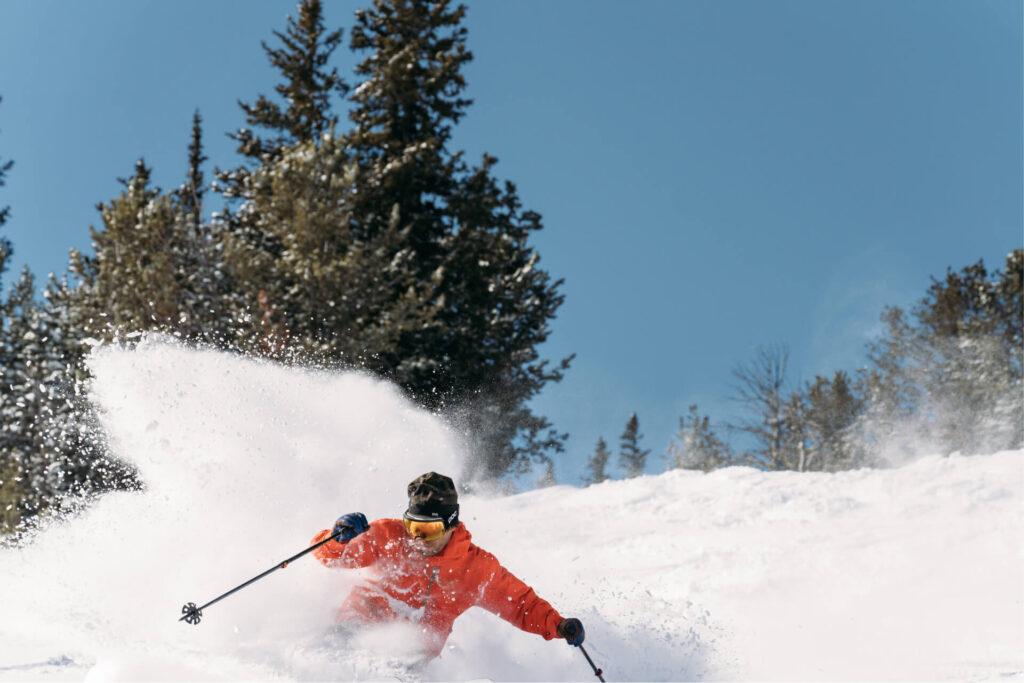
Ski resorts really start to open up as skiers and riders progress to intermediate terrain. You’re no longer limited to the bunny hill, but you’re not quite ready to charge down double blacks either. It’s a phase defined by exploration, progression, and finding your rhythm on the mountain. However, not every ski resort is so accommodating to intermediate skiers and riders. Yet those ski areas that are offer some of the most satisfying skiing and riding anywhere.
Explore our picks of some of the best ski resorts for intermediate skiers and riders.
Best Ski Resorts For Intermediate Skiers
Killington, Vermont
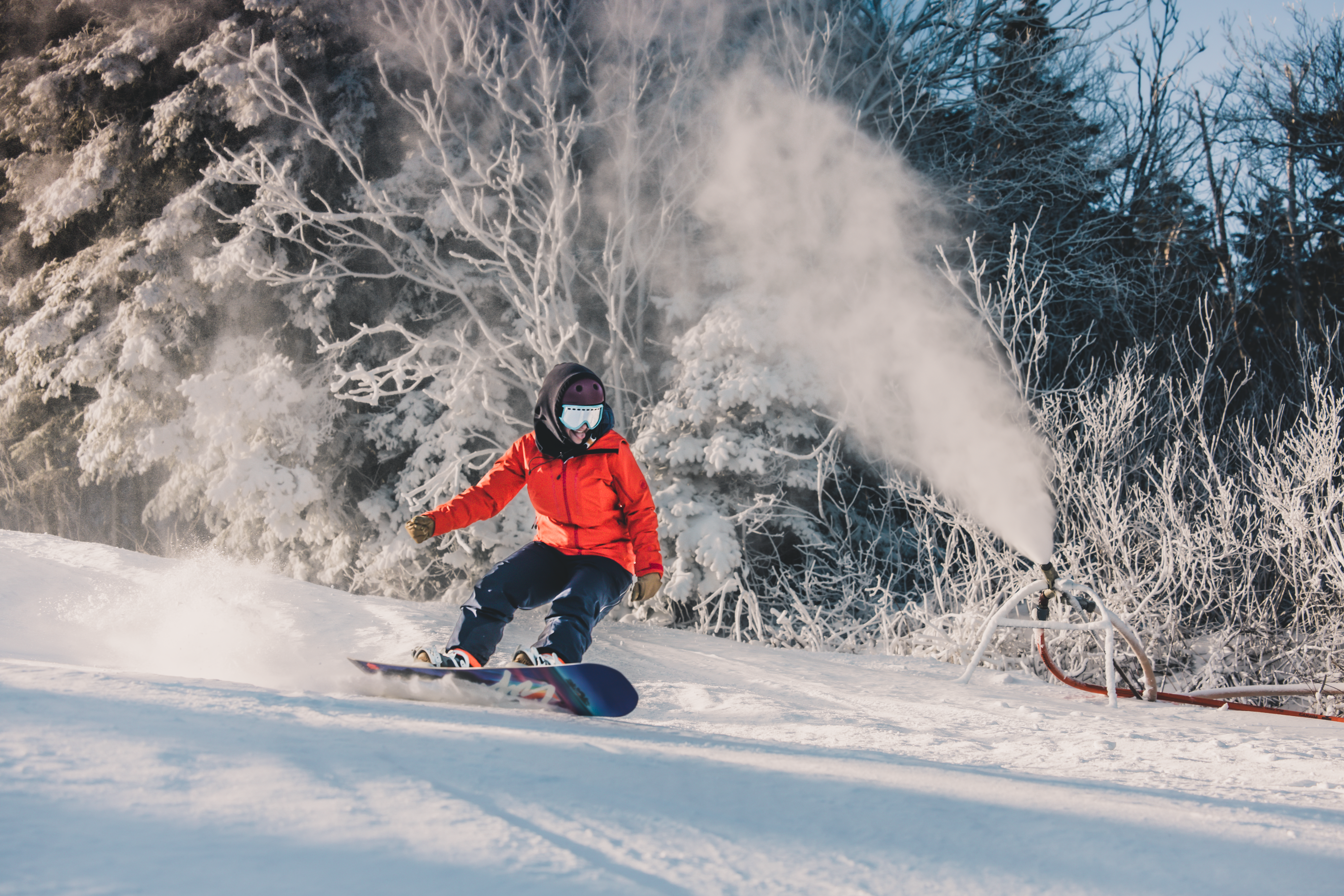
Don’t let Killington’s nickname, the Beast of the East, deter you. Roughly 33% of its trails are suitable for intermediate skiers, providing enough terrain without being overwhelming. Killington Resort provides intermediate skiers and riders a variety of long, varied cruisers sprinkled throughout the resort. Snowdon and Skye Peak are good starting places, where intermediates can enjoy a combination of consistent pitch and wide-open groomers. Then head to Ramshead, which is considered some of the best intermediate terrain at Killington.
Best of all, the resort’s sheer size means that intermediates can explore multiple peaks without repeating the same type of terrain, making every lap feel fresh. High‑speed lifts keep the pace quick and the flow uninterrupted, which is ideal for skiers who want to build confidence through mileage.
Arizona Snowbowl, Arizona
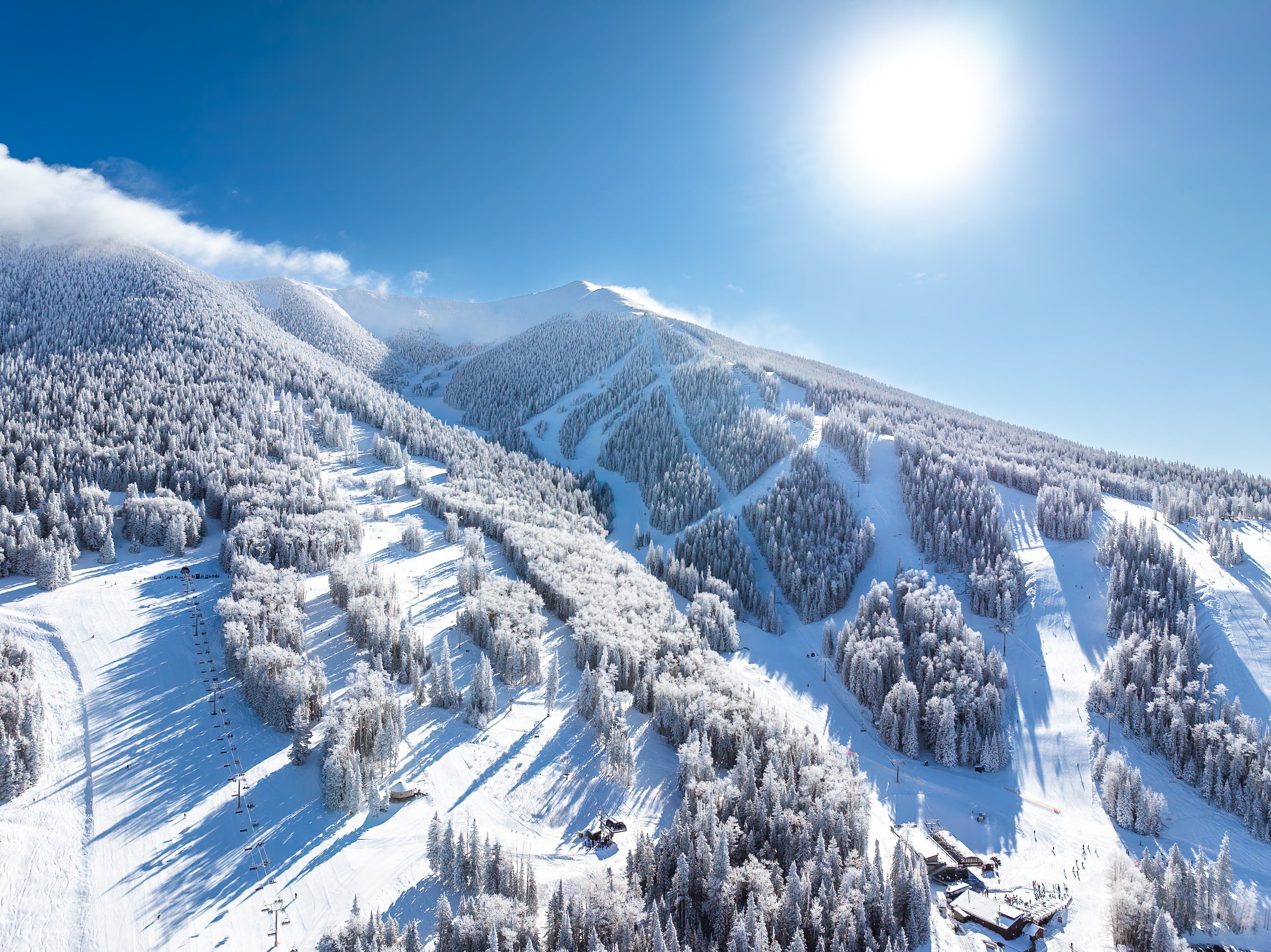
Arizona Snowbowl’s appeal goes well beyond its impressive intermediate terrain stats. With 42% of the resort rated as intermediate, it’s an ideal mountain for skiers who want space to progress at their own pace. The well‑groomed cruisers and high‑speed lifts make it easy to explore the mountain’s 777 acres, giving you plenty of room to build confidence and find your rhythm.
Where Arizona Snowbowl really shines for newer and progressing skiers is its ski school. The resort has built a reputation for approachable, supportive instruction that caters to every level. Instructors focus on creating a fun, low‑pressure environment, while the terrain and layout makes it simple for learners to practice skills on runs that can challenge without feeling intimidating. Families especially appreciate the structured programs for kids, which blends skill building with plenty of on‑snow play.
Angel Fire, New Mexico
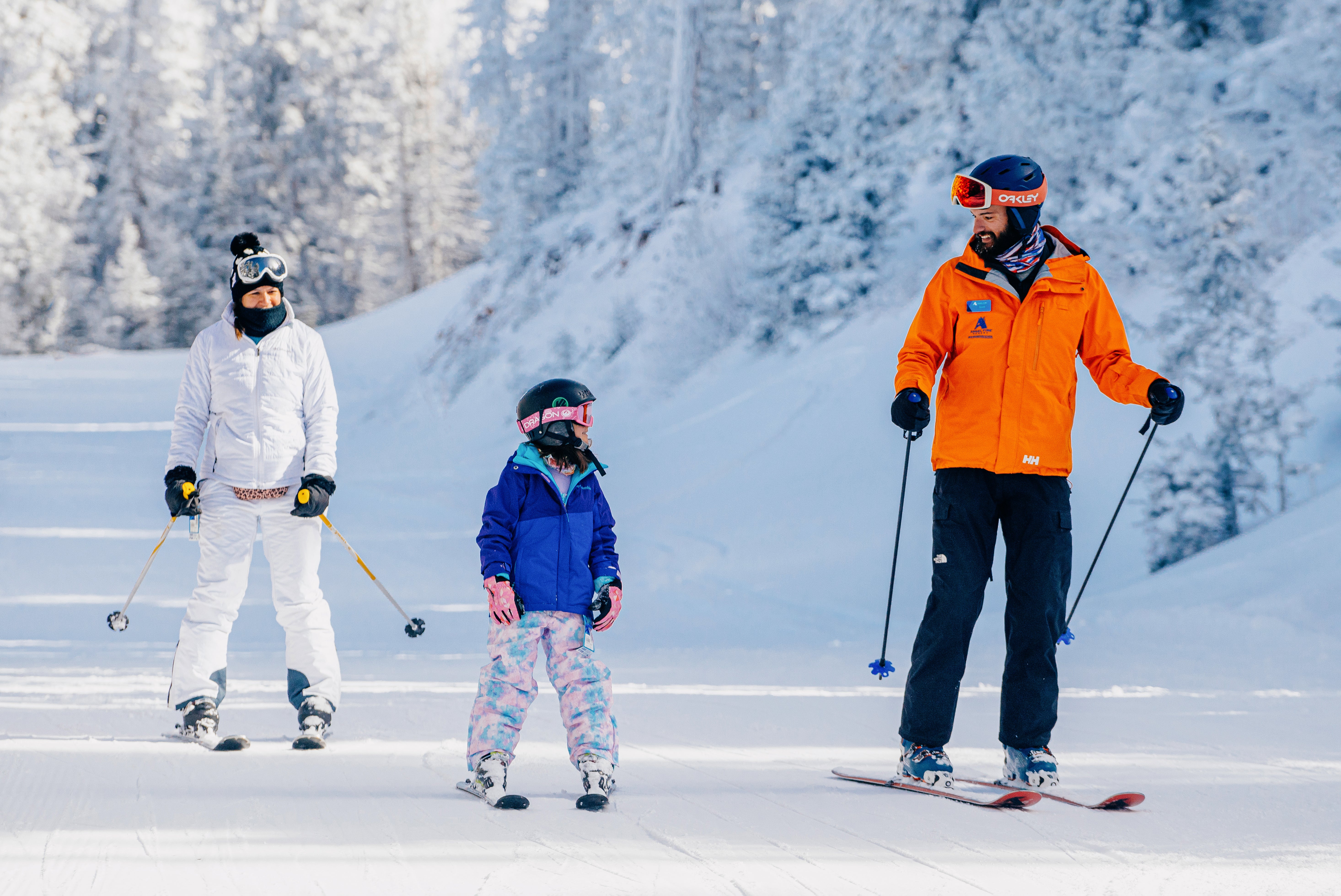
Angel Fire Resort rewards intermediate skiers with a vibe that’s relaxed and adventurous all at once. Nearly half of its 81 trails are rated intermediate, giving skiers and snowboarders a great variety of terrain across the mountain’s rolling front side, including broad cruisers, gentle fall‑line pitches, and meandering mid‑mountain routes that let you settle into a comfortable pace. Plus, the resort is currently installing the Southwest’s only high-speed six pack lift, which will provide quick return access to the summit beginning for the 2026-27 season.
What’s more, Angel Fire’s ski school has a great reputation for providing confidence-building lessons to intermediate skiers. As a lesser-known ski area, it provides the benefit of small class sizes, offering a more personal feel during group lessons. It’s no wonder why Angel Fire is repeatedly ranked by OnTheSnow users as one of the best ski resorts for families.
Tamarack Resort, Idaho
Tamarack Resort is a gem of an Idaho ski resort, where intermediate skiers and riders will find a lot of easygoing terrain to love, from open bowls to cruisers to forested mid‑mountain zones. Just under half of its terrain is considered intermediate, so intermediates will find a lot to love. Bonus: High‑speed lift access keeps people moving and the views over Lake Cascade add a calm, scenic backdrop to every descent. Tamarack’s layout makes it relatively easy for intermediates to explore without getting funneled into steeper terrain, while those who want to work on carving or speed control can do so on long, predictable pitches. Add in a mellow, uncrowded atmosphere, and Tamarack becomes an inviting choice for anyone looking to progress comfortably.
White Pass, Washington
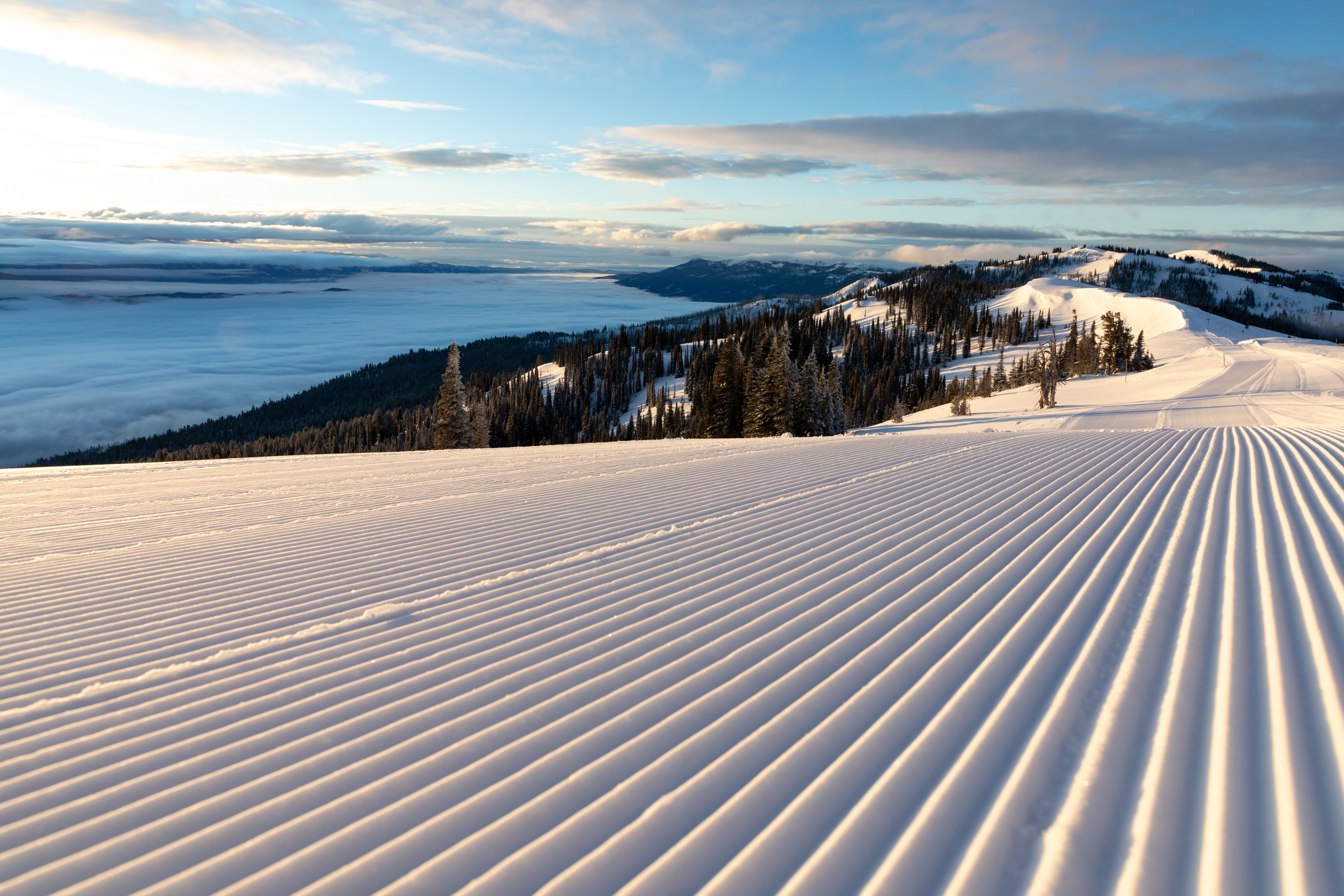
White Pass brings a laid‑back, Pacific Northwest feel to the skier experience, offering beautiful intermediate terrain that unfolds gradually and rewards skiers who like a smooth, unhurried rhythm. With nearly 60% of its runs rated intermediate, the mountain leans heavily toward blue terrain, giving skiers an impressive amount of room to explore across its two connected base areas. Long cruisers drift through wide glades and gentle fall‑line pitches, while the Great White Express lift makes it easy to settle into a steady flow of laps. Add in the sweeping views of the Goat Rocks and Mt. Rainier, and White Pass delivers a setting that feels expansive, calm, and perfectly suited to skiers who want variety without steep surprises.
Breckenridge, Colorado
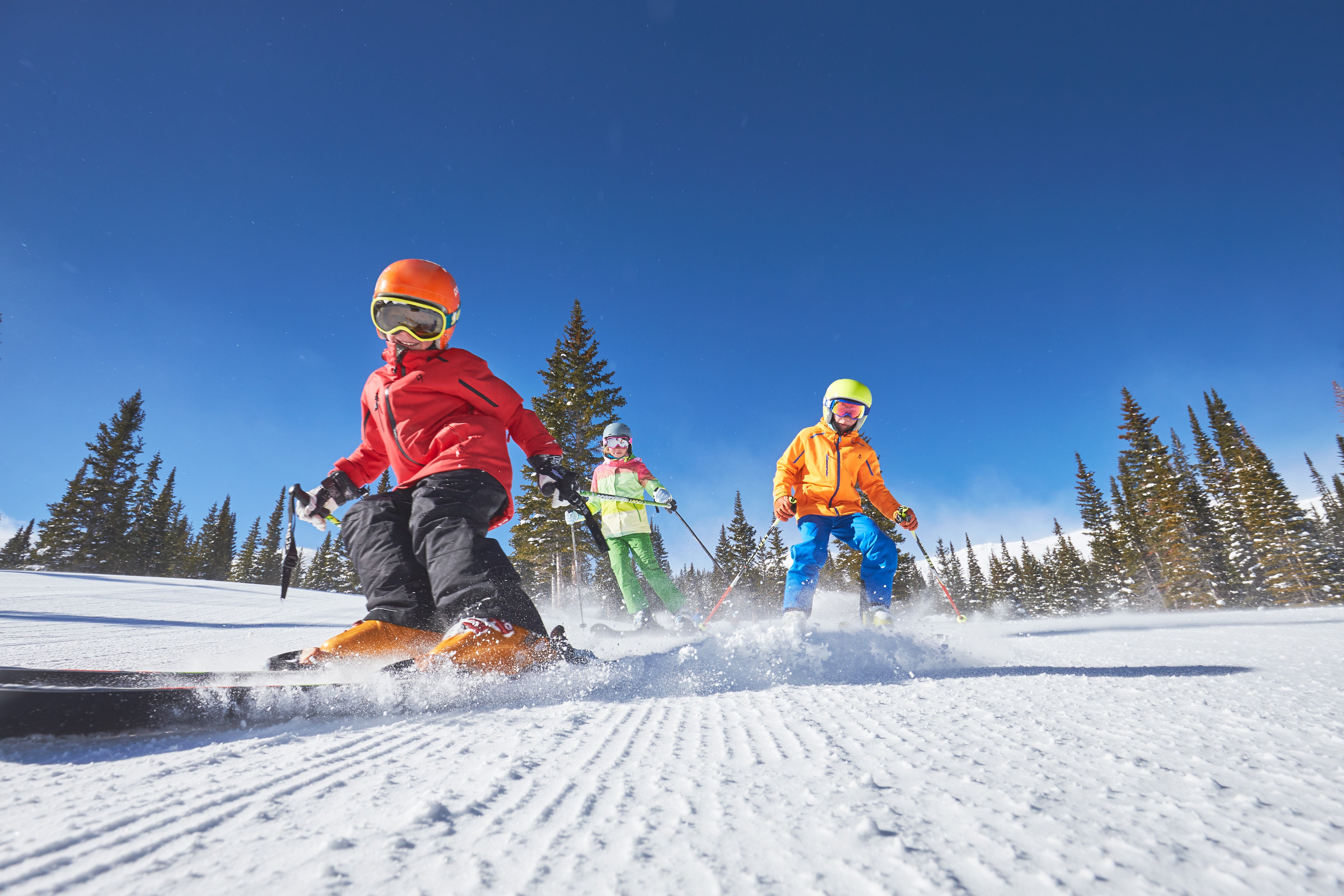
Breckenridge gives intermediate skiers an irresistible sense of momentum through playful, varied, and connected terrain. The real magic of Breckenridge comes from how its intermediate terrain weaves across five distinct peaks, each offering its own mix of cruisers, rolling pitches, and wide‑open bowls that feel approachable. The resort’s ski school is especially well regarded for helping intermediates refine technique and build confidence, thanks to experienced instructors who know how to match terrain to skill level. While there’s intermediate terrain across all of the peaks, Breckenridge Ski Resort recommends peaks 7 or 9 for those linking their turns consistently and ready to take on slightly steeper terrain.
Deer Valley, Utah
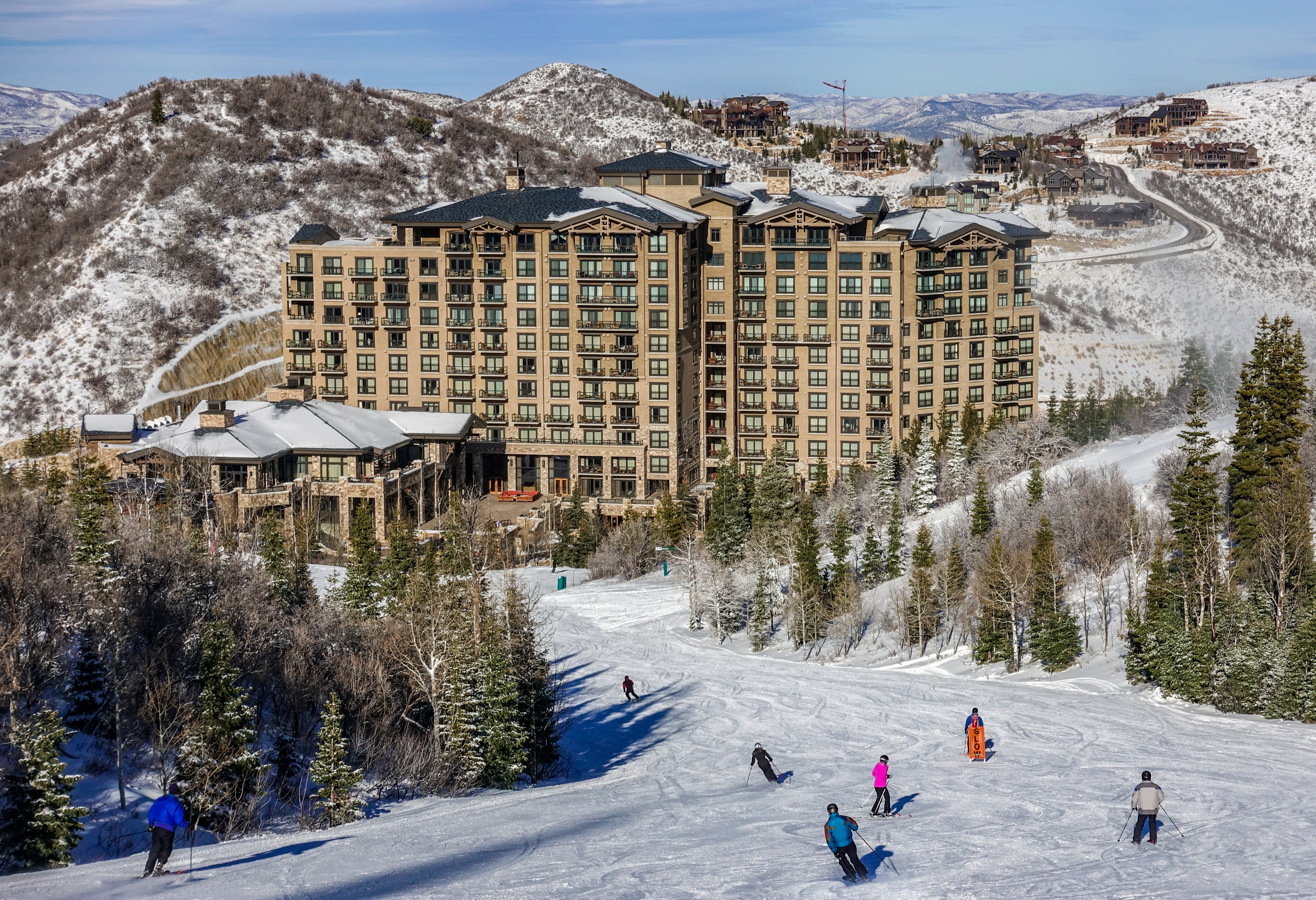
Deer Valley has a reputation for consistently providing impeccably groomed snow, which is particularly advantageous for intermediate skiers. Add in the fact that 45% of its terrain is intermediate, and it quickly becomes clear why Deer Valley is such a great resort for intermediate skiers. The Park City resort offers a deep lineup of cruisers that wind through aspen groves, sweep across open faces, and link together in long, flowing combinations that offer plenty of adventure and easy navigation. Plus, the resort’s ski school is widely praised for highly-personalized, technique-focused instruction, which makes it a fantastic place to refine or pick up new skills. The best part? Deer Valley recently doubled in size, providing even more terrain for intermediates.
Bretton Woods, New Hampshire
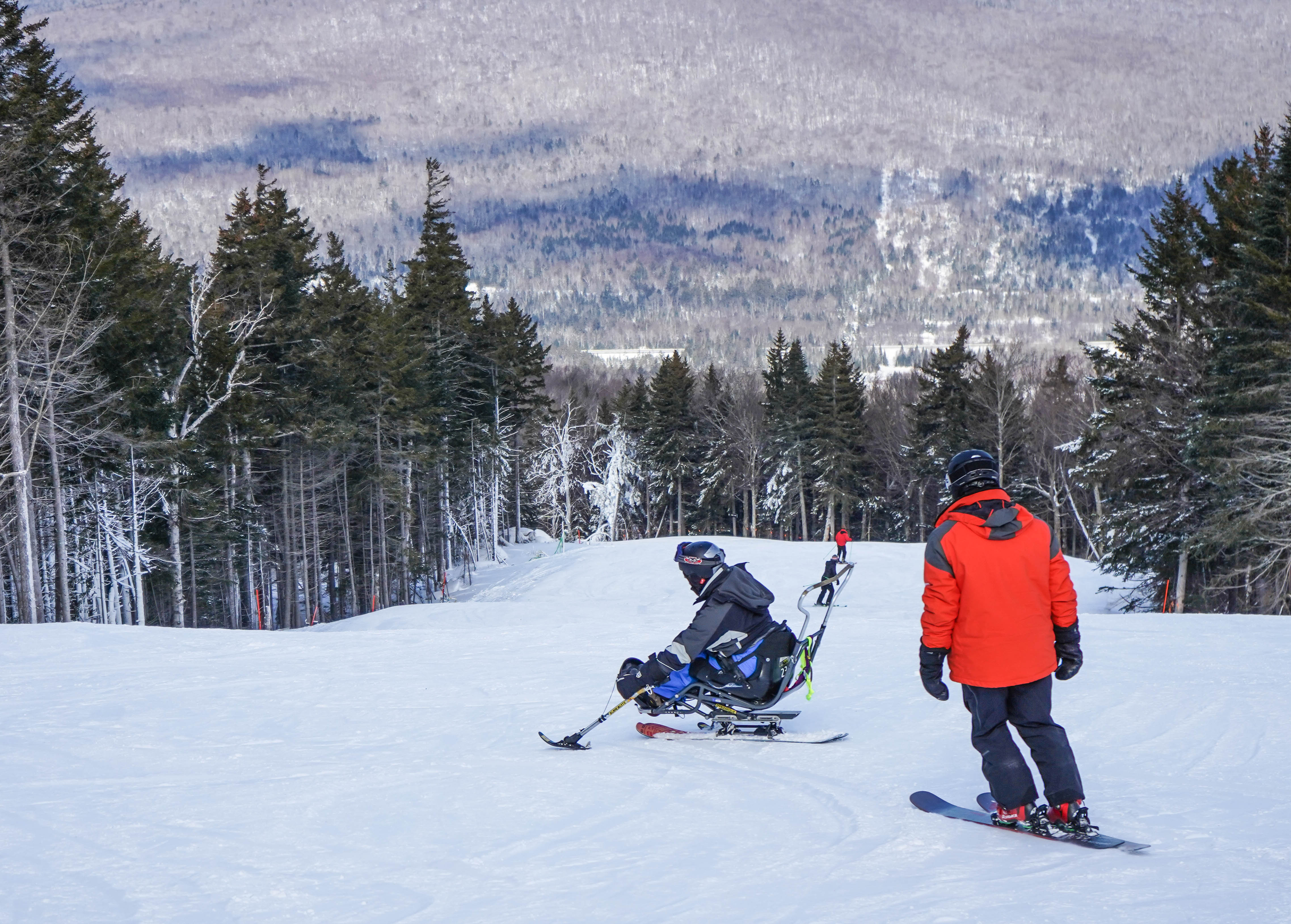
Bretton Woods gives intermediate skiers a wonderfully relaxed sense of flow, with wide‑open terrain that feels inviting and easy to settle into. About 30% of its terrain is intermediate, creating a generous network of cruisers that sweep across gentle ridgelines and beautifully spaced tree‑lined faces. The mountain’s steady, predictable pitches help skiers build confidence, refine technique, and enjoy long, uninterrupted turns without sudden surprises.
What makes it especially appealing is how seamlessly the trails connect, allowing skiers to explore without encountering abrupt steeps or tricky transitions. It all adds up to a mountain that feels approachable, confidence‑boosting, and deeply enjoyable—an ideal environment for intermediate skiers looking for a good New England ski resort to progress at.
Big White, British Columbia
Big White seems built for intermediate skiers, since roughly 54% of its terrain is intermediate. The British Columbia ski resort leans heavily toward a sweet spot of terrain that’s welcoming yet still full of character. The blues roll across open bowls, drift through the resort’s signature glades, and link together in long, flowing combinations that make it easy to find a steady rhythm. High‑speed lifts keep the laps quick, and the expansive views over the Okanagan mountains add a stunning backdrop to just about every run. Big White’s layout and size, at nearly 3,000 acres of skiable terrain, makes it a playground for intermediates to roam across the mountain confidently, build mileage, and enjoy effortless cruising from first chair to last.
Lake Louise, Alberta
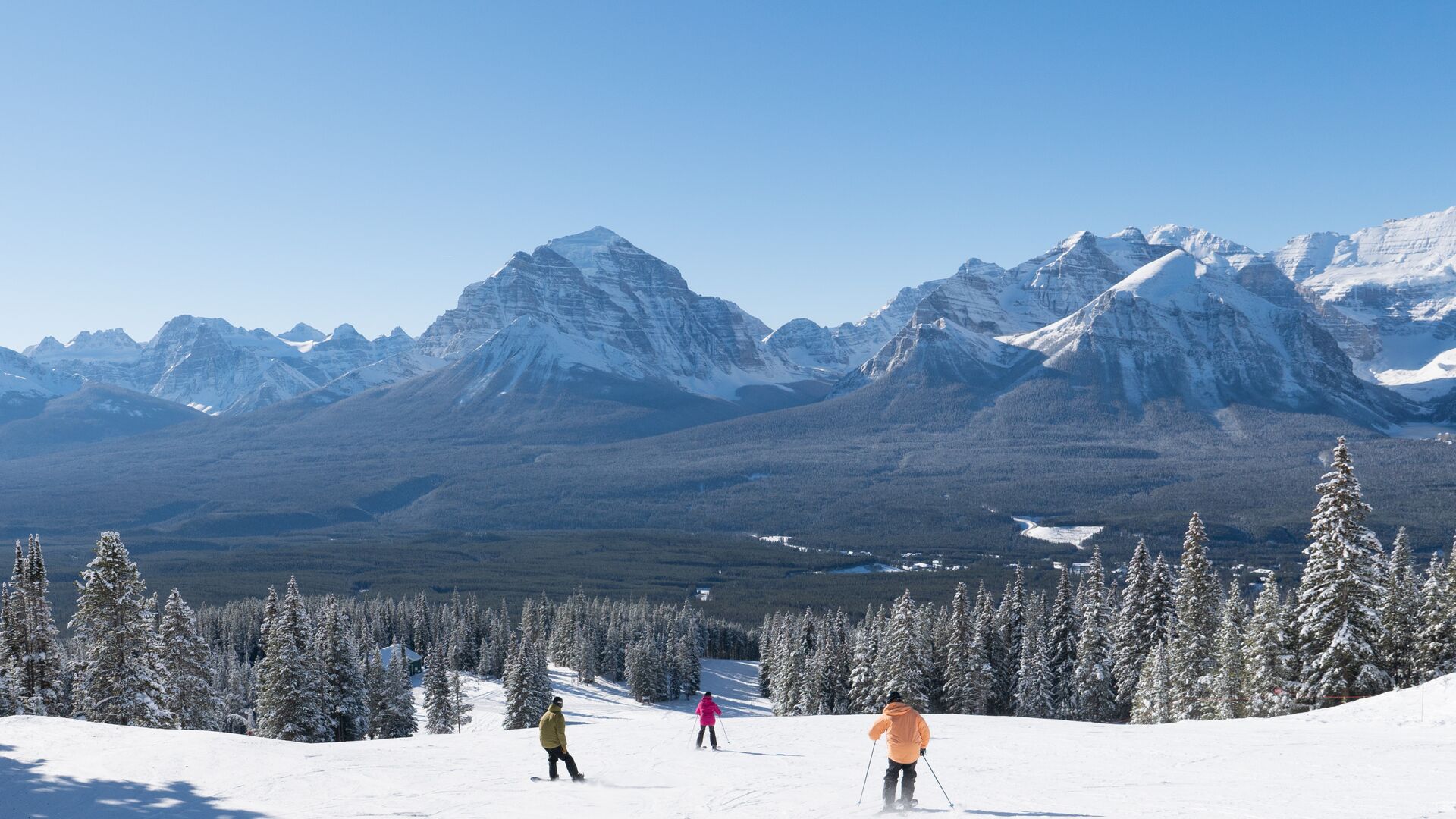
Lake Louise gives intermediate skiers a sense of scale that’s hard to match, with terrain that feels expansive yet wonderfully approachable. Just under 50% of its runs are rated blue, offering a deep mix of cruisers that sweep across wide alpine bowls, wind through sheltered glades, and stretch into long, rhythmic descents on the front side. Lake Louise Ski Resort’s layout encourages exploration, letting skiers move naturally between zones while staying in that comfortable middle‑ground sweet spot. The resort’s ski school is especially well regarded for helping intermediates refine technique, with experienced instructors who excel at building confidence on bigger terrain. Intermediates also benefit from incredible grooming, which keeps the blues smooth and predictable throughout Lake Louise’s long ski season.
Revelstoke, British Columbia
Revelstoke gives intermediate skiers a chance at big‑mountain adventure without pushing them too far out of their comfort zone. With about 43% of its terrain rated blue, Revelstoke has plenty of variety to explore—from long, rolling pitches to shorter drops with a bit more vertical. The resort’s ski school is a major asset for intermediates, with instructors who specialize in helping skiers navigate larger terrain confidently and refine technique on longer descents. The Stoke Chair anchors the experience, serving groomed cruisers like The Last Spike a beginner-intermediate run that seems to go on forever as it winds through high‑alpine bowls and into sheltered glades, testing skiers and snowboarders’ endurance. Additionally, the lower frontside delivers approachable, tree‑lined blues that stay friendly on low‑visibility days.
Revelstoke also has some unique experiences tailored for intermediate skiers and riders, like its Intro to Cat Skiing experience. This two-day intro to powder program combined a day of skill improvement with an introduction to cat skiing on moderate and low-angle terrain.
Hero Image ©Vail Resorts