The word “nonprofit” isn’t often associated with skiing, especially as lift ticket prices and trip costs continue to rise—not to mention the high overhead required to run a mountain. However, a growing number of ski areas around North America, often in smaller communities, are making it work as a nonprofit while also making the ski experience both fun and affordable. Read on to discover a few of North America’s great nonprofit ski areas.
Nonprofit Ski Areas In North America
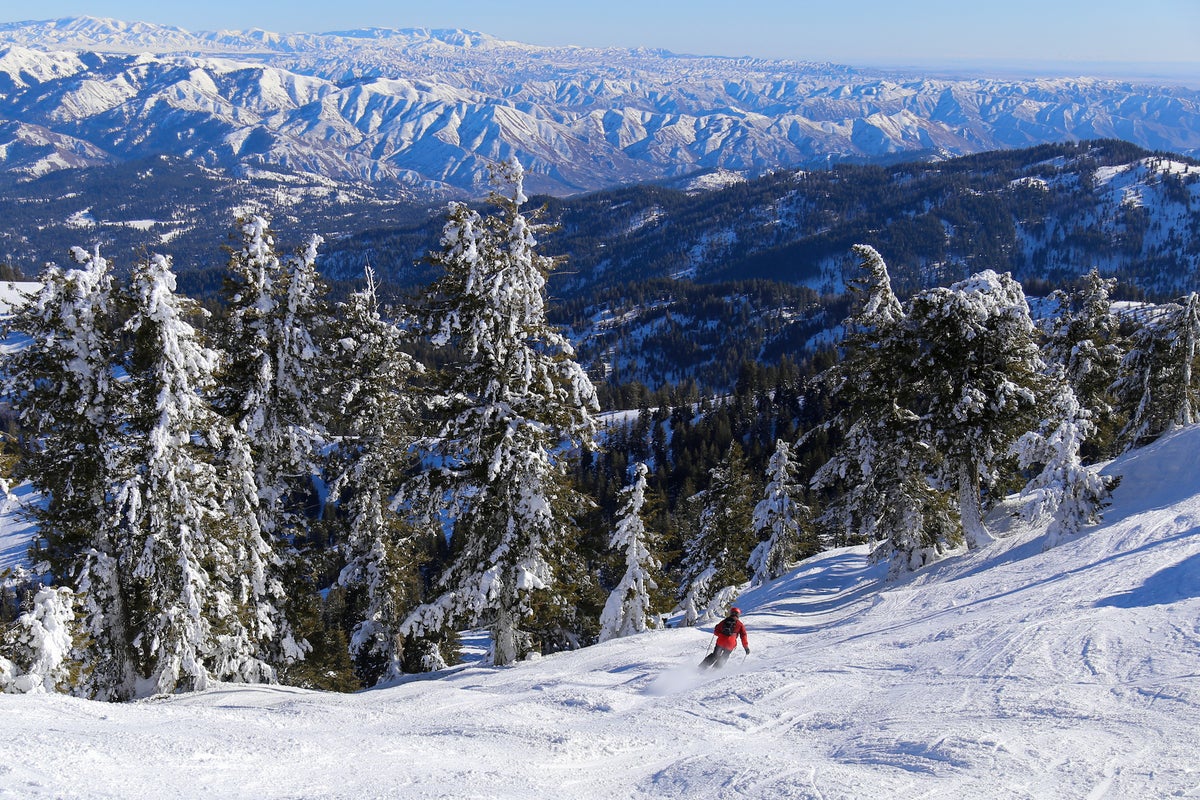
Bogus Basin, Idaho
There’s nothing bogus about Bogus Basin, which got its name during the Gold Rush when swindlers were making fake gold. Today, Bogus Basin, located 16 miles from Boise, is a successful nonprofit ski area thanks to Alf Engen, known as the “father of powder skiing technique,” who selected and laid out Bogus Basin (as well as another 30 ski areas). Bogus Basin’s mission then and now is to “Make the outdoors accessible today, tomorrow, and for generations to come.”
While always a nonprofit, Bogus Basin was given 501 (c) (3) status in 2005, which made it not only a nonprofit but also a charitable organization. That means that those skiers who have a love for Bogus Basin can make a tax-deductible donation. Bogus Basin Recreation operates the resort that has grown into the largest nonprofit recreation area in the U.S., and Southern Idaho’s largest mountain, with 2,600 acres of skiable terrain. It has 1,800 feet of vertical, 10 lifts (including 4 high-speed quads), and 90 runs.
Bridger Bowl, Montana
Skiers have enjoyed Bridger Bowl’s slopes since the 1940s. By 1949, the State of Montana negotiated with land owners and purchased 120 acres to gain access to Gallitan National Forest and a proposed state park and ski area. The Bozeman State Park and Recreation Association was formed in 1954 and 60 volunteers opened a platter lift to the public the next season. Nonprofit status was granted with membership open to Montana residents 18 years of age and older, and the rest is history.
Bridger Bowl’s original mission still stands today: “To plan, develop and maintain facilities and services in a financially sound manner which provide the best possible skiing experience at a reasonable cost to local, regional and destination skiers.” A cooperative effort and support of local volunteers, association and board members, businesses, staff, and pass holders over the past half-century have enabled the ski area to grow from that one rope tow and a quonset hut to a major ski area with 2,000 acres of terrain, 8 lifts, 2,600 vertical feet, 4 lodges, and a plan for future expansion. Financial stability has been achieved and all net profit has been reinvested into the mountain.
Cochran’s Ski Area, Vermont
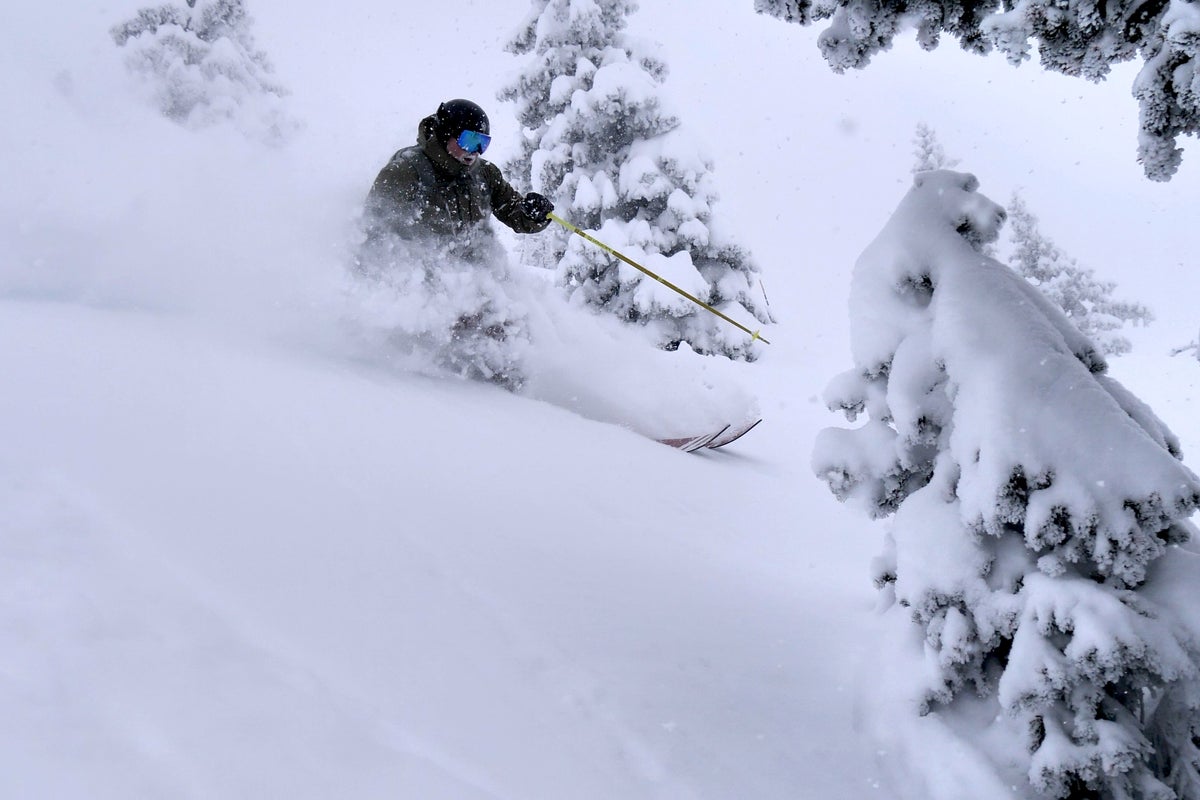
The Cochran name may sound familiar, since the four kids of Mickey and Ginny Cochran all became U.S. Olympians, with Barbara Ann winning gold in the slalom in 1972. They all learned to ski and trained on their backyard hill in Richmond, Vermont, and the next generation followed up with six grandchildren making it to the U.S. Ski Team. Cochran’s Ski Area has been a nonprofit labor of love for several family generations, while untold numbers of volunteers in the community have helped make it successful ever since it began in 1961.
Working together as a community, they’ve been able to introduce countless kids to Vermont’s favorite winter pastime. Today, Cochran’s Ski Area hosts 2,000 kids from school programs, facilitates races/training for the next generation of Olympic hopefuls, and remains a warm, welcoming place to learn to ski. The nonprofit ski area is sustained by donations, ticket and season pass sales, and volunteers. Among the unique things about the ski area is Cochran’s snack bar, a centerpiece of the skiing experience here with both an array of snacks and home-cooked meals provided by local families.
Mt. Ashland, Oregon
Mt. Ashland, the highest peak of the Siskiyou Mountains of Southern Oregon, was named for the nearby city of Ashland, located just 8 miles north of the mountain. While bankruptcy loomed for the ski area in the early 90s, two local businessmen who had grown up skiing here got the community excited with the “Save Mount Ashland” campaign. It raised $1.7 million to found the Mt. Ashland Foundation nonprofit that would run the resort. A similar formula that has worked elsewhere is at play at Mt. Ashland, in which locals pay into the ski area similarly as they would a fee-based park or local swimming pool.
Its terrain favors intermediate-to-advanced skiers and riders, but beginners can take advantage of low-cost rental and instruction programs. Mt. Ashland is situated at a peak elevation of 7,533 feet, and is home to 6 lifts serving 44 runs, across 240 acres of terrain.
Antelope Butte, Wyoming
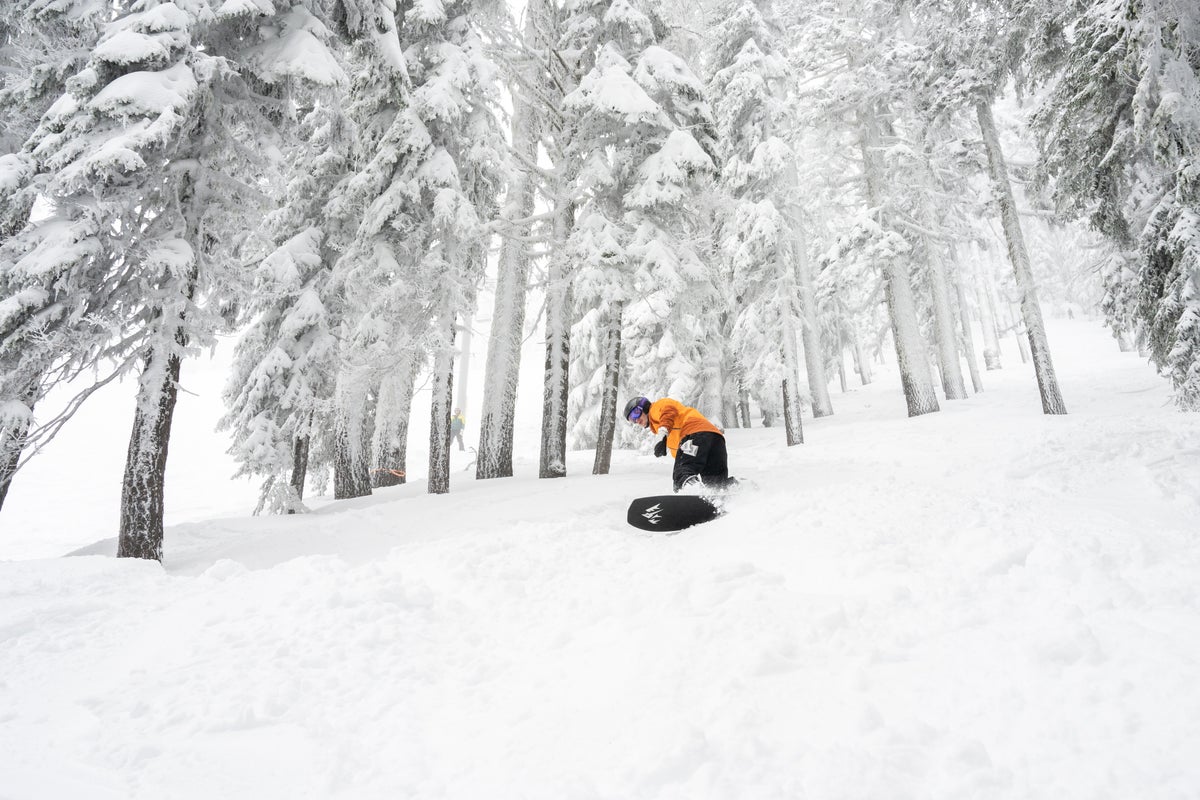
Antelope Butte is located in the Northern Bighorn Mountains of Wyoming in Antelope Butte Mountain Recreation Area. While the ski area closed in 2004 after 44 years of operation, the Antelope Butte Foundation was formed to revitalize the ski area in 2011, and it opened with limited operations in 2018 after receiving a U.S. Forest Service permit. Antelope Butte is by no means a large ski resort, but is a nice hidden gem of a ski area with 30-plus runs over 225 acres served by 3 lifts. Not to mention how affordable it is; a season pass is less than $500.
Whaleback, New Hampshire
Whaleback, located in Enfield, New Hampshire, has gone through a number of iterations and ownership changes over the decades. After some closures and ownership changes, a group of Whaleback supporters founded Upper Valley Snow Sports Foundation (UVSSF), a nonprofit that established the ski area as a nonprofit in 2013. An initial round of fundraising raised about $200,000, which was enough to reopen Whaleback for the 2013-2014 season. The ski area has 30 trails on 85 acres of skiable terrain with a good mixture for beginners, intermediates, and advanced skiers and riders, as well as a terrain park. Whaleback also offers night skiing a few nights per week.
Mt. Spokane, Washington
Most people probably think of the ski resorts of Western Washington and the Cascade Range when they think of Washington ski areas. But just outside of Spokane, in Eastern Washington, is the 1,700-acre Mt. Spokane, which has been delivering a great ski experience for Pacific Northwest skiers and riders for decades. Mt. Spokane has 6 lifts serving more than 50 runs, while there’s a respectable 2,000 feet of vertical drop. Highlights include the Mt. Spokane Terrain Park, featuring tons of features, jumps, and a progression park. It also has night skiing, which takes place several nights per week on more than 15 runs.
While Mt. Spokane provides affordable and accessible mountain recreation for everyone, it has a specific focus on youth and beginners. This is evident by its terrain park and multi-day camps and programs for young people to learn. They even have Intro to Terrain Park clinics for young people who want to take their skiing and snowboarding skills to the next level.
Shames Mountain, British Columbia
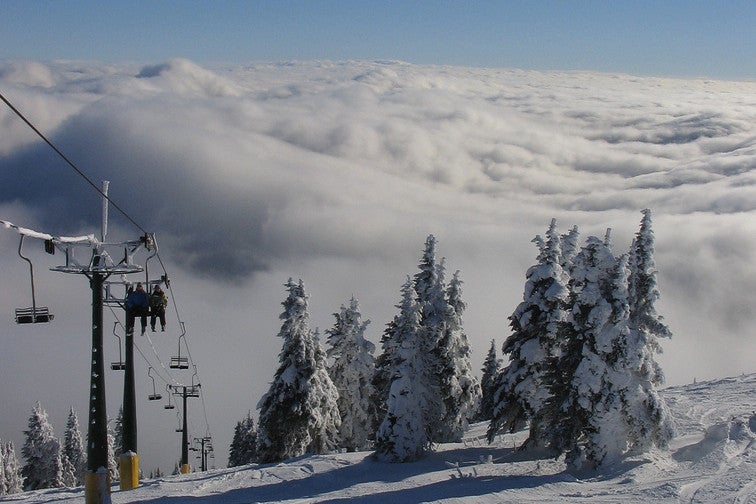
Shames Mountain Ski Area is a ski resort located 22 miles west of the city of Terrace, British Columbia. Its journey as a nonprofit began in 2008, when owners of the Shames Mountain Ski Area wanted to retire and put up the ski hill for sale. Local skiers and boarders formed Friends of Shames to find a way to keep the ski hill open and viable for long-term skiing. Eventually, Friends of Shames landed on a community service co-operative model to help sustain the ski resort, and in 2011, My Mountain Co-op (MMC) was created through the help of local residents and businesses that bought memberships and worked together to raise awareness of the co-op.
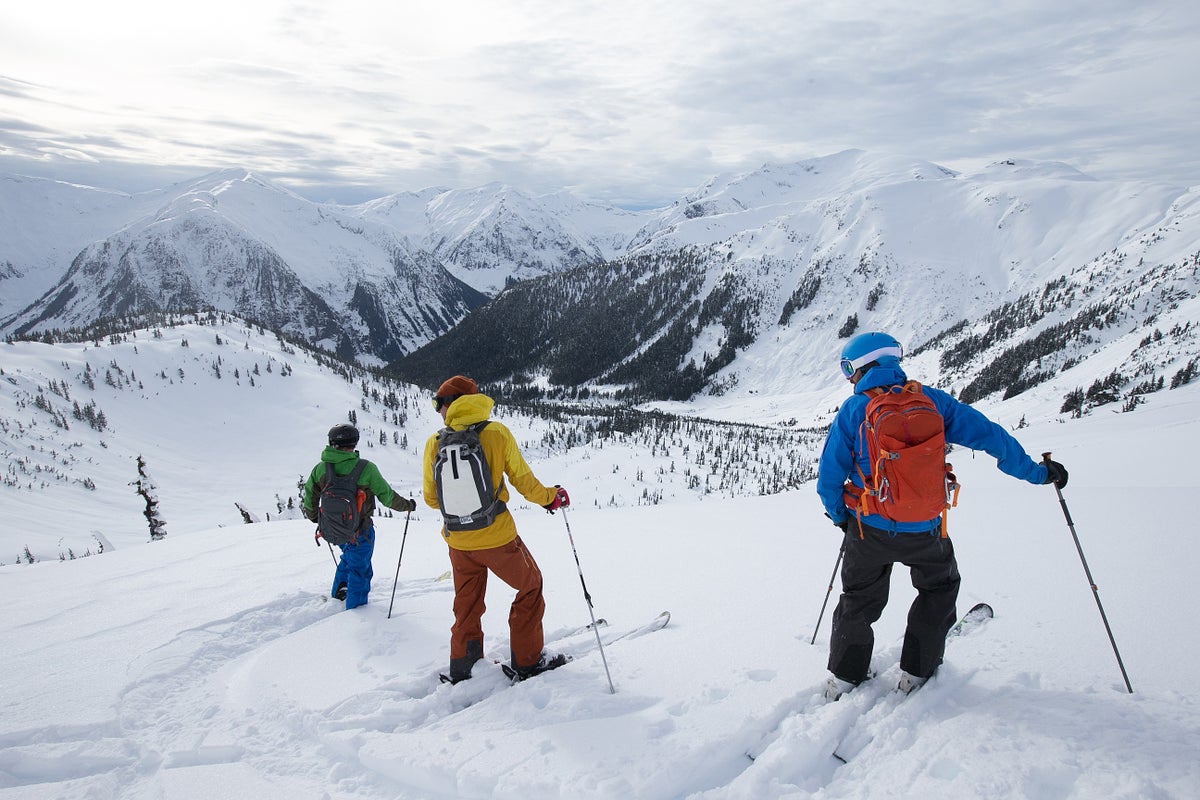
Less than two years later, in January of 2013, MMC achieved ownership of Shames Mountain Ski Area, making it Canada’s first nonprofit community service ski co-op. Shames Mountain has 28 runs, and a number of natural glades, served by a surface lift and 1 double chair. It has a vertical drop of 1,600 feet, and summit elevation of 3,900 feet.