Share this
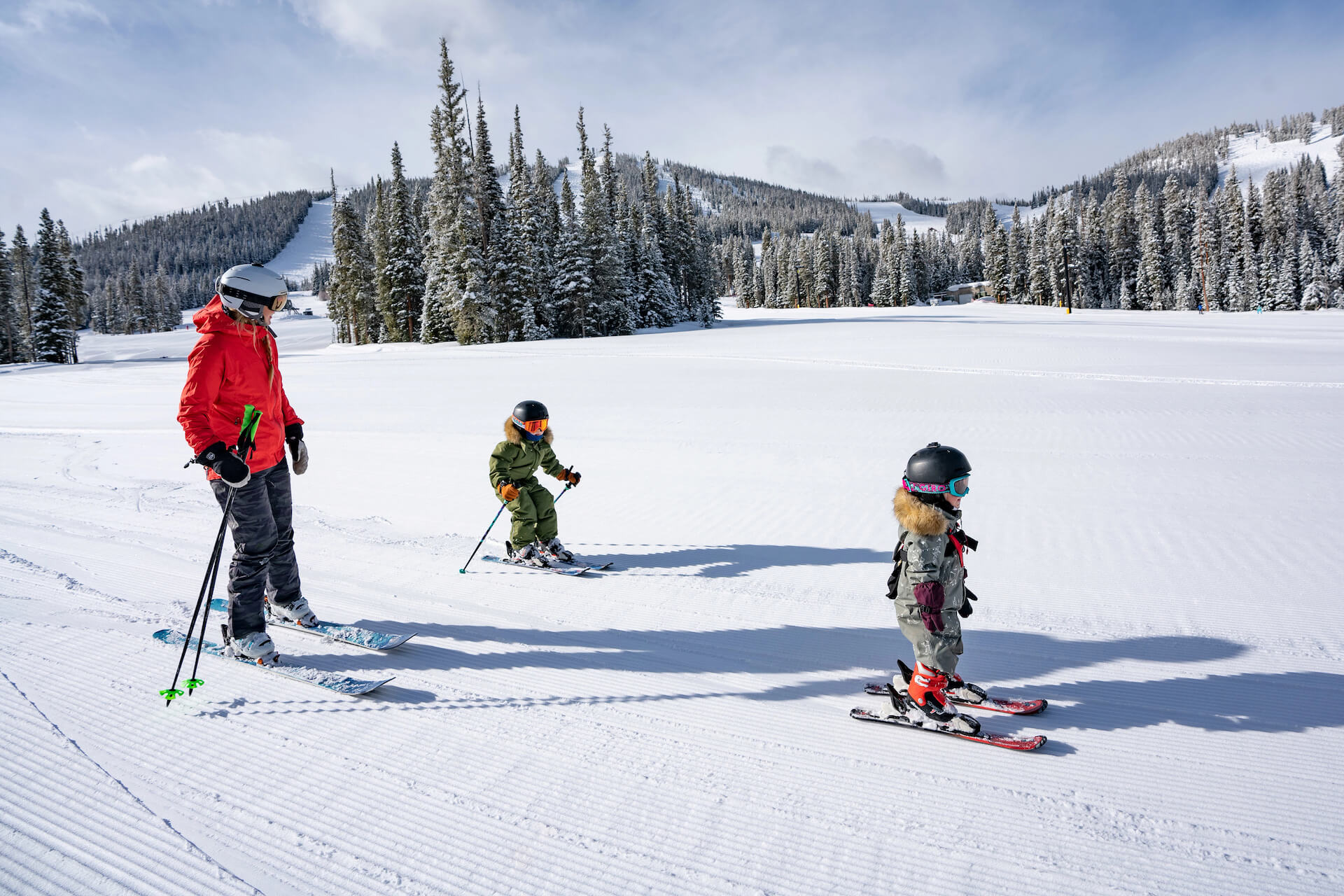
A family ski trip is one of the most memorable trips that you can take. The crisp mountain air, snow-covered mountains, and days filled with skiing, family adventures, and hot chocolate make for the kind of memories that linger long after the trip is over. However, planning that perfect family ski trip can quickly become stressful, overwhelming, and expensive. The good news is that it doesn’t have to be expensive or stressful. Let our guide help you plan the perfect budget family ski trip.
How To Plan A Budget Family Ski Trip
First things first, let’s talk about timing. While you may want to take that big family ski trip during the Christmas holidays or over a long holiday weekend, the reality is that those are the most expensive weekends of the year. Lift tickets, lodging, and airfare all surge during holiday periods and peak weekends during the middle of winter. Instead, consider planning your getaway for midweek, when crowds thin out, there’s less demand, and resorts drop their prices. While you’ll often find low rates for lift tickets, lodging, and travel mid-week during the middle of the winter, the very beginning and end of the season is typically the most budget friendly. Regardless of the dates you decide to go, booking as early as possible will also help you save money.
Late in the ski season is also a great time to get you or your kids into ski lessons. The snow is soft, the slopes and lifts are uncrowded, and you’ll often find better deals on ski and snowboarding lessons.

Skip Mega Resorts For Smaller Ski Areas
If you have a major ski pass, then you may want to plan a ski trip to one of the resorts on your pass, since they often come with friends and family lift ticket discounts and discounts on lodging, food, rentals, and other resort services. Otherwise, we recommend looking to smaller, lesser-known ski areas, where lift tickets, lodging, and food and drinks are more reasonably priced. They may not have the resort village experience or the bells and whistles of large destination resorts, but this is arguably where you can save the most money.
U.S. travelers can also stretch their dollar by heading north. Canada’s favorable exchange rate for Americans makes everything more affordable. Cat Iwanchuk, Ski.com’s vice president of business development, explained that “the exchange rate in Canada can help stretch the dollar further for folks who want an international experience close to home.” As you begin your search, check out our articles on affordable ski areas in the U.S. and Canada.

Lodging & Lift Ticket Deals
As we mentioned above, traveling during non‑peak times comes with a number of benefits, including lower lift ticket and lodging prices. But that’s only scratching the surface of how to uncover the best deals. Many ski areas offer lodging packages that bundle accommodations with lift tickets—and sometimes even rentals or lessons—at a significantly reduced rate compared to buying everything separately. These promotions often appear early in the season or during non-peak times, so subscribing to resort newsletters or keeping an eye on their websites and social media channels can give you a head start before the best offers disappear. Similarly, if you’re traveling with younger kids, keep an eye out for kids ski free deals. We wrote here about a variety of different ways that both kids and adults can ski for free.
Additionally, widening your search radius can help you save money, as slopeside and village accommodations are priced at a premium. Consider staying in nearby towns, at independently-owned accommodations, or at vacation rentals for lower prices. Some accommodations even offer free breakfast, helping cut back the cost on meals during your trip.

Flying Versus Driving
Getting to the mountains can be a major factor in your overall ski trip budget, and choosing between driving and flying often comes down to cost, convenience, and how much gear you’re bringing. Driving is usually the more affordable option if you live within reasonable driving distance of a ski resort, especially for families, since you avoid airfare, baggage fees, and rental car costs. It also gives you the flexibility to pack your own food, equipment, and winter essentials without worrying about weight limits. On the other hand, flying can save significant time, especially if you live somewhere that’s not anywhere close to the mountains. Flying is also a good option if you’re not traveling with your own ski or snowboard gear. Many ski destinations have airports that are relatively close to the slopes, making it possible to maximize your time on the mountain. .
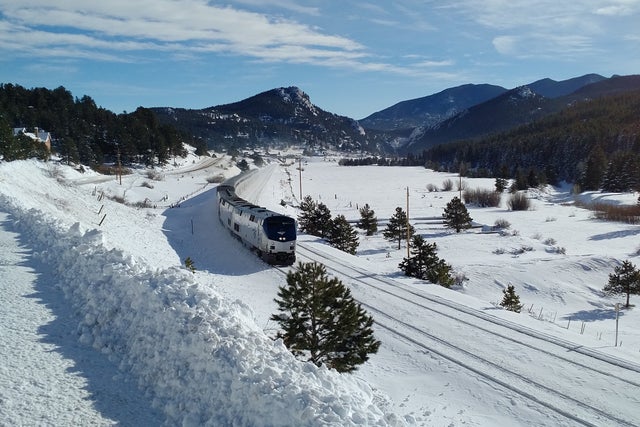
Alternatively, take the train. We’ve previously written about ski resorts that you can take the train to. In Colorado, for example, you can take Amtrak directly to the base of Winter Park. Elsewhere, you can take the train to towns near ski resorts. For example, there’s a train station in Truckee, California, which is just 10 minutes from Northstar California.
Final Thoughts On Planning A Budget Ski Trip
There are plenty of more creative ways to stretch your budget on a ski trip. Packing your own snacks and lunches, especially if you have a vacation rental with a kitchen, and eating at restaurants off property will save money on food. Bringing your own gear or renting gear from local, non-resort affiliated shops will save money on rentals. If your family is new to skiing, look for beginner packages that bundle lessons, rentals, and lift tickets at a discounted rate.
Don’t overlook free or low‑cost activities: Many resorts offer complimentary sledding hills, ice‑skating nights, or village events that add fun without adding to your bill.
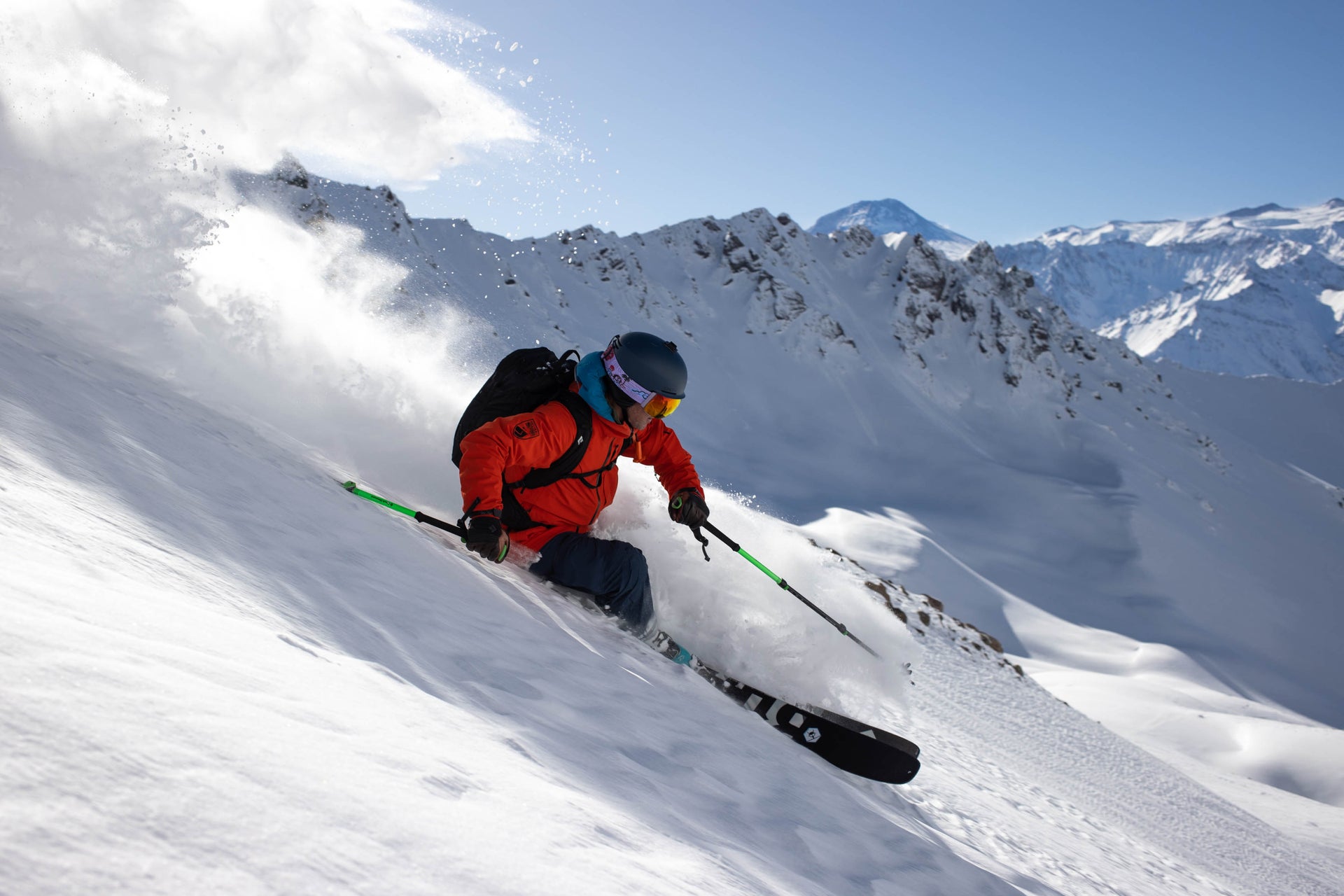
Hero Image ©Charles Stemen/Winter Park
 March 23, 2026