Montana Ski Resorts
Most Popular Montana Ski Resorts
Planning a Montana ski trip? Browse our collection of skier and snowboarder-submitted reviews for Montana ski resorts to see which mountains claimed the top spot in each category. Montana reviews rank ski areas on a scale of one to five stars in the following categories: Overall Rating, All-Mountain Terrain, Nightlife, Terrain Park and Family Friendly. See how your favorite Montana ski area stacks up among the top rated in terms of skiing and après.
Top ski resorts in Montana
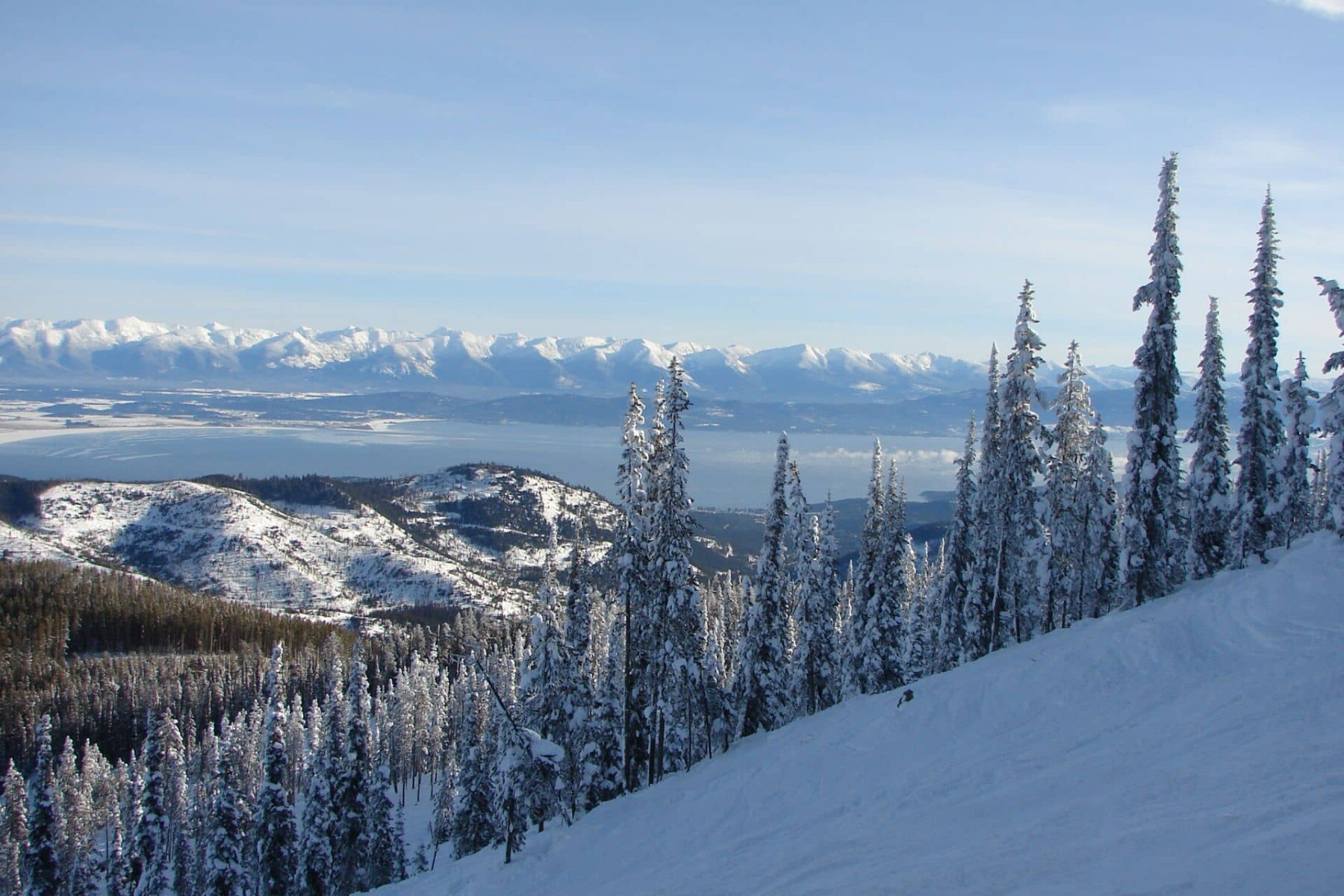
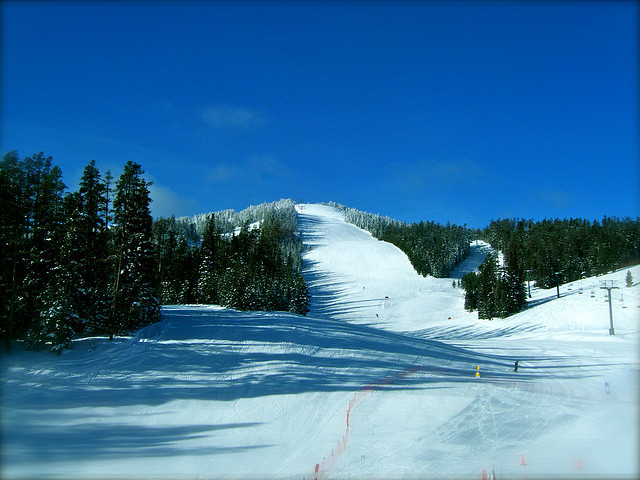
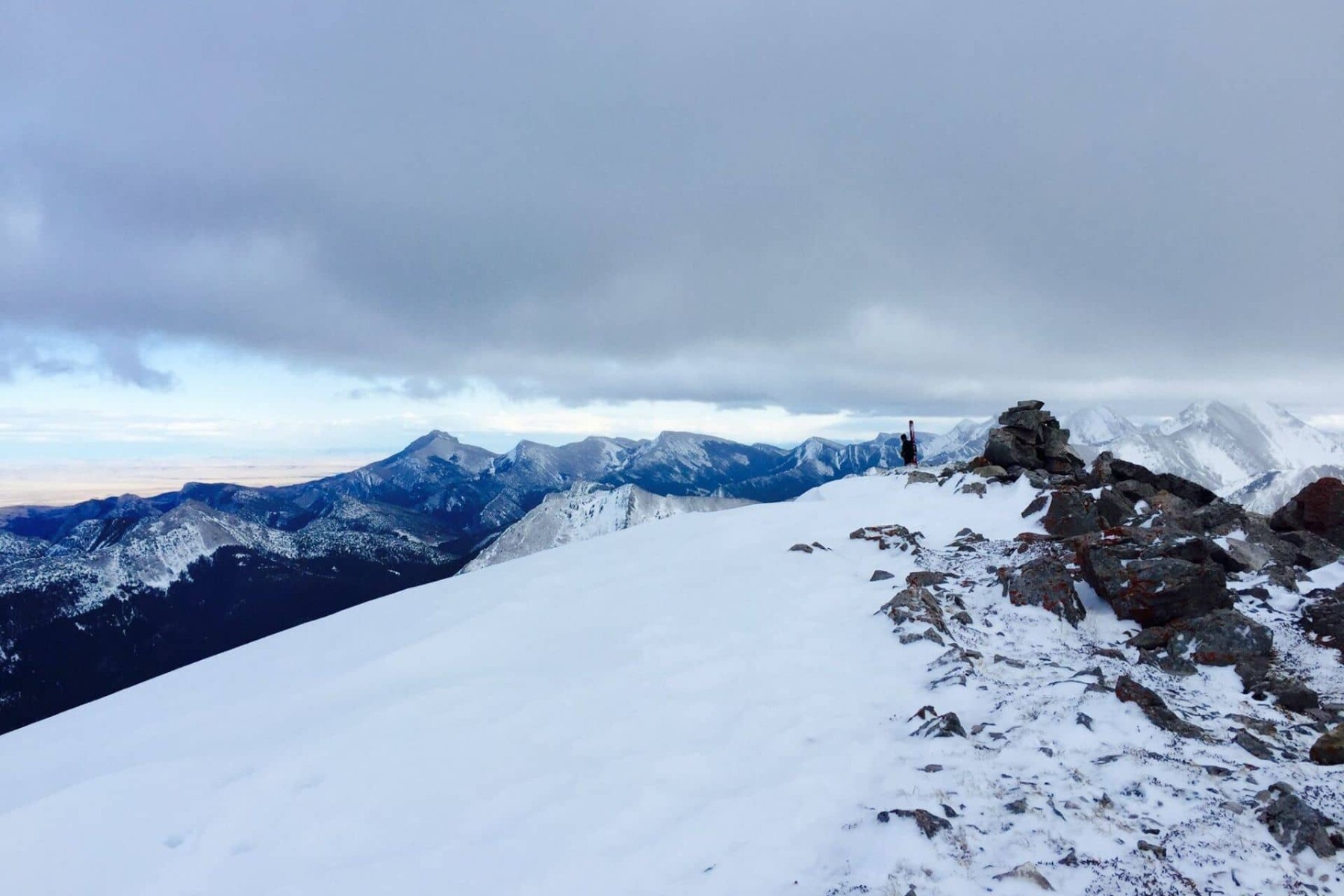
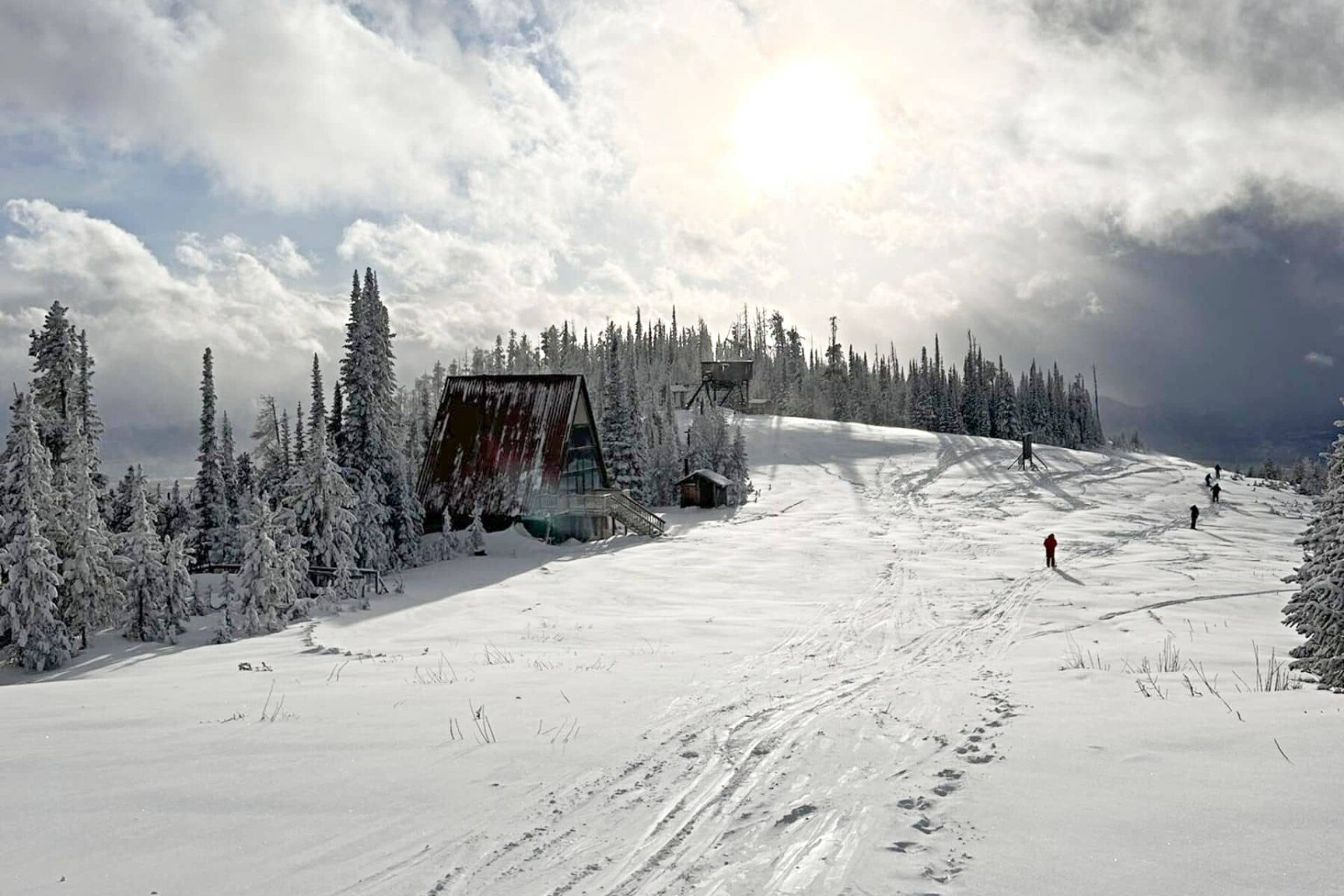
All Montana ski resorts
Montana Ski Resorts FAQ
Best ski resorts in Montana
The rich lodes of gold and silver gave rise to Montana’s nickname as the “Treasure State.” But visit any of Montana’s ski resorts and you’ll find the real treasure to be a mother lode: an absolutely prodigious snowfall combined with a small population leading to short or usually non-existent lift lines and about an acre of terrain for each skier or snowboarder.
If it’s scale you’re looking for, the word mega-resort in the tradition of, say, Vail or Aspen, may not apply. The lodging can be just as luxurious in several resorts (think Big Sky), but the size is more manageable. On the other hand, the terrain scale is massive. Big is indeed the operable word.
Big Ski is the resort that first comes to mind for most skiers, but look a bit further and the possibilities open up wide and wider. Some are easy to access and others, well, not so much. But, if variety is your spice of life, you'll find some treasures. There are plenty of wide open Western spaces and no one will likely ever invade your space. All ski areas have ski and snowboard schools, but the best known is at Big Sky.
What are the Montana ski resorts?
Big Sky Resort (Big Sky)
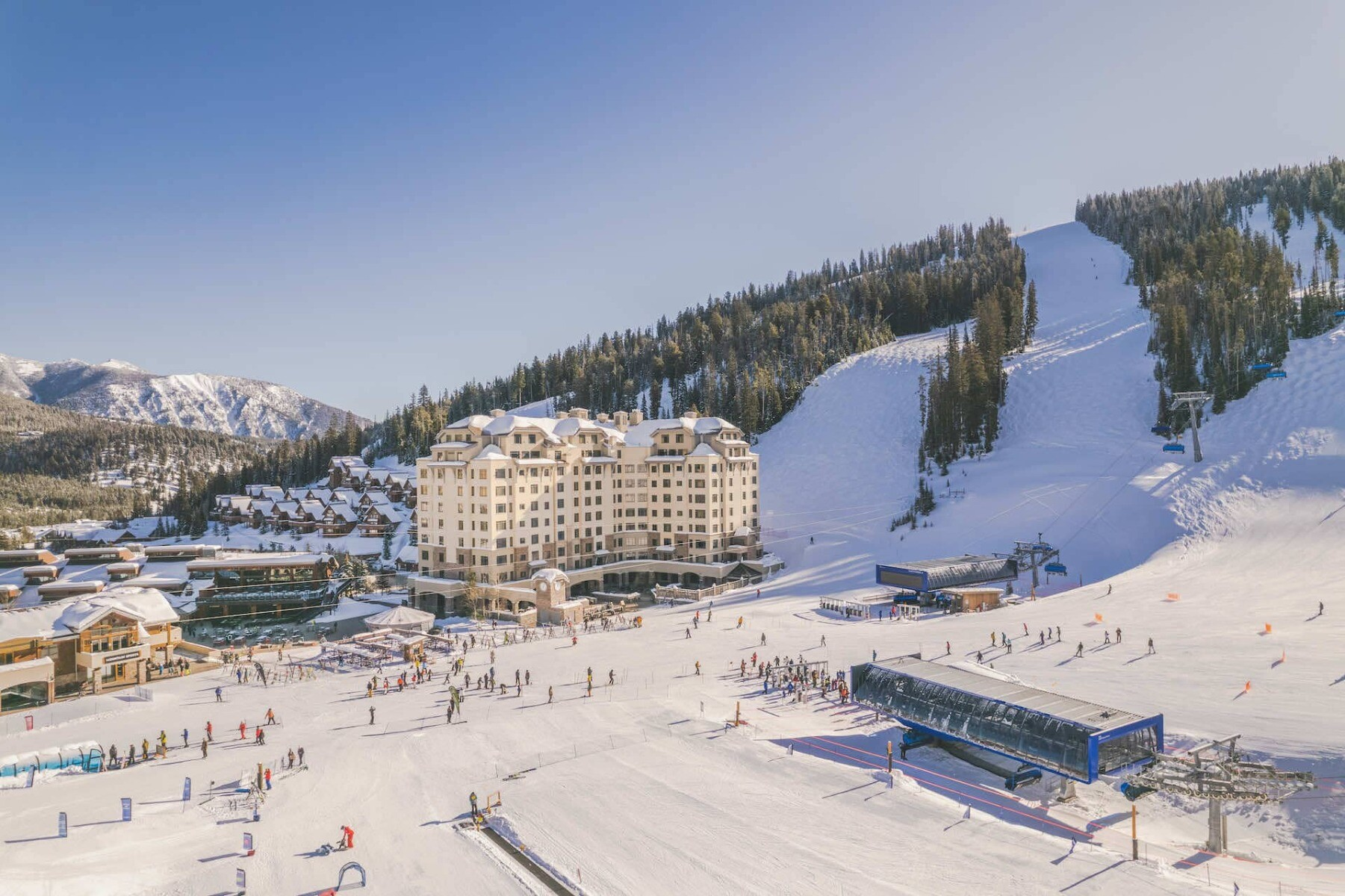
This the largest major full-scale resort in Montana. You'll find it midway between Bozeman and West Yellowstone. It's a super-popular destination but the crowds are almost always manageable. Big Sky’s snow sees some of the best conditions of any American resort in an average season. It's cold in Montana all winter so the snow is generally consistent, even early season when snowmaking kicks in.
There's plenty of diverse terrain here for virtually any level skier or snowboarder. Yes, this is one big mountain. Skiing braggarts will kick in the bar talk about their feats of grandeur on Lone Peak, the Big Couloir, the North Summit Snowfield, and the Challenger zone. And those difficult challenges on the slopes are indeed exciting. But, there is more than enough beginner terrain to keep even first-timers busy all week long.
Not to put too fine a point on it: There's 870 acres of beginner terrain here and, as the resort likes to point out, that's more skiable acreage than some entire ski resorts. Big Sky is one of the best places to learn to ski in the U.S. Don't miss playing on Lone Wolf and Cinnabar.
Let's talk expert: The snow fields off Lone Mountain offers demanding terrain in between lines of exposed rock. These runs are steep and narrow in places so watch carefully where you're going. It's all here except obnoxious big resort crowds.
Blacktail (Lakeside)
Blacktail opened to become a family-friendly resort in 1998. It's a relative newcomer to the Montana ski scene in Lakeside on the west side of Flathead Lake. This is one of the several "upside down" ski resorts in the country. You'll park and start your ski day on top of the Blacktail Mountain slopes with views from Flathead Lake, Glacier National Park and three mountain ranges.
One of the real advantages of tip-top skiing and riding is even beginners get to experience the best snow and those awesome top-of-mountain views. Besides that, every skier or snowboarder gets a top-to-bottom run without having to ride a chair at all. That's pretty enticing in itself.
The mix favors intermediates and expert skiers with 85 percent of the 1,000 acres of National Forest land, but there's still 15 percent available for beginners. There are 4 lifts. The resort annually receives about 150 feet of natural snow. The key word here is natural - and that's enough to skip snowmaking here.
Bridger Bowl (Bozeman)
Bridger Bowl, on the eastern side of the Continental Divide, has a bit of an identity problem. Fans admit they can't decide whether it’s a locals' ski hill trying to be a big ski resort, or if it’s a big ski resort trying to be a locals' ski hill. But understand this is why you come here: Bridger Bowl has all of the qualities of a big ski resort without any pretense or wallet-busting. Bridger gets 350 inches of snow and the quality is so wonderfully dry the motto here is ‘Ski the Cold Smoke.’
You'll play on 2,000 acres of in-bounds terrain, and ride 11 lifts (which includes 1 quad chair and 6 triple chairs), and 2,600 feet of lift serviced vertical. There is no significant lodging at the mountain, so plan on bedding down in Bozeman, a 30-minute drive.
Discovery (Phillipsburg)
This is one of those so-called "hidden gems" locals like to keep to themselves, but the word is out there if you're listening. The small town of Phillipsburg is on the Pintler Veteran's Memorial Scenic Highway and basically surrounded by the Beaverhead-Deerlodge National Forest. Known to locals as “Disco,” you'll find a good variety of beginner, intermediate runs.
Discovery ski area, with 2,000 acres to roam, has what you'll want for family skiing: a bunny slope, easy greens, cruising blues, and some solid entry level black runs. The back side of the mountain is almost all black diamonds with two dedicated lifts
Accommodations are in Phillipsburg, Anaconda and Butte, all within 30 minutes of the mountain. The only dining at the resort base is a cafeteria.
Great Divide (Helena)
This is a small area about 25 miles from Helena that often can be the first to open for the season. Great Divide ski area on Mount Belmont is known for its exceptional variety of terrain that covers more than 1,600 acres, making it one of the larger ski areas in Montana. Just as important to families and others is Great Divide is among the most affordable ski areas in Montana.
The snow is good and more than sufficient, but it's not as plentiful as others in the state at 180 inches and sometimes those big storms swerve around Mt. Belmont, leaving it in sunshine.
Lost Trail/Powder Mt. (Sula)
The 1,000 acres of skiing here straddles the Montana-Idaho border with reliable snow and if you're looking for plentiful intermediate skiing in Montana ski resorts -- 60 percent -- this is your place to ski. There's still enough beginner and advanced terrain to keep most skiers and riders happy. The vertical drop is 1,801 feet and that makes for some relatively long runs. It's affordable, too.
Maverick (Dillon)
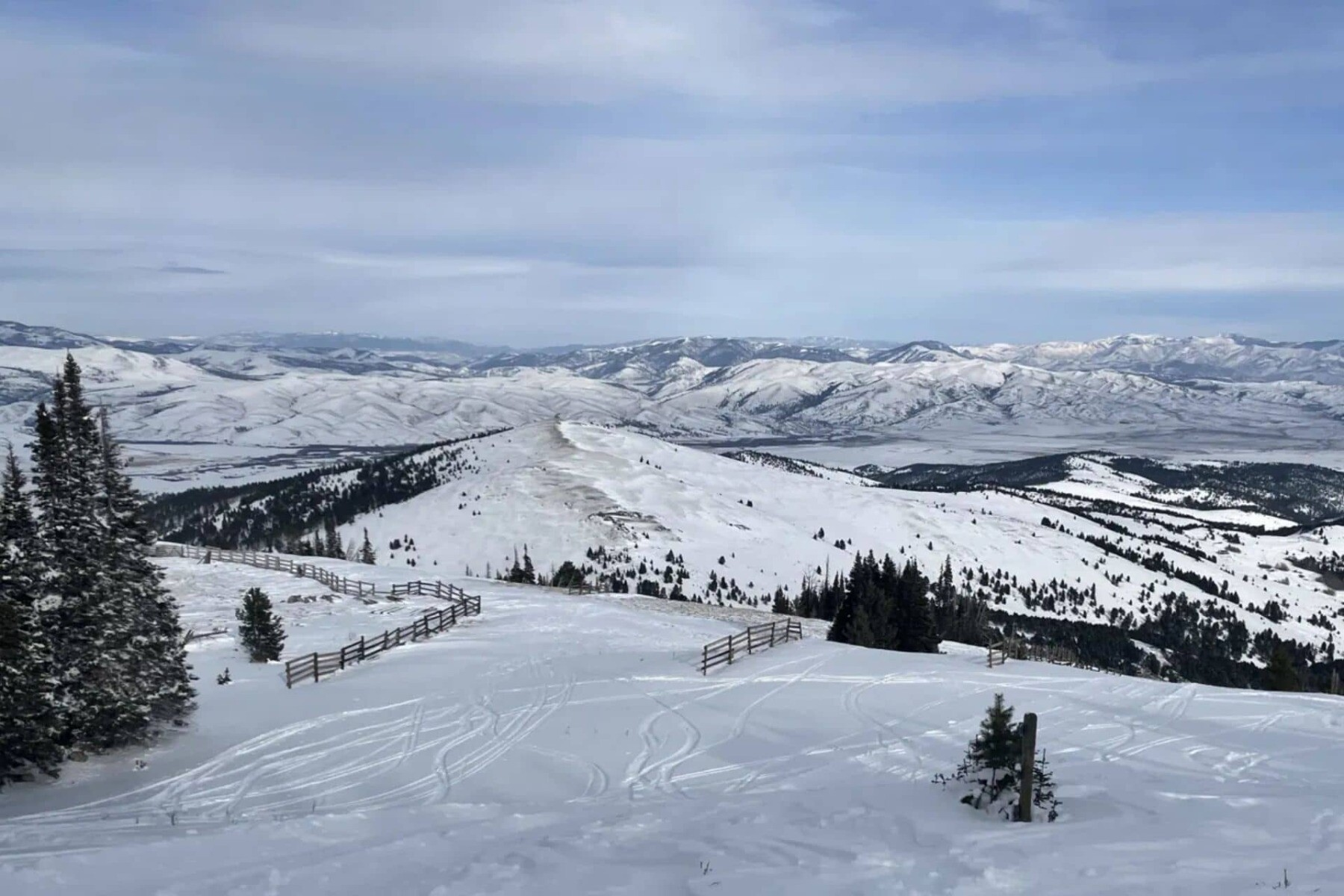
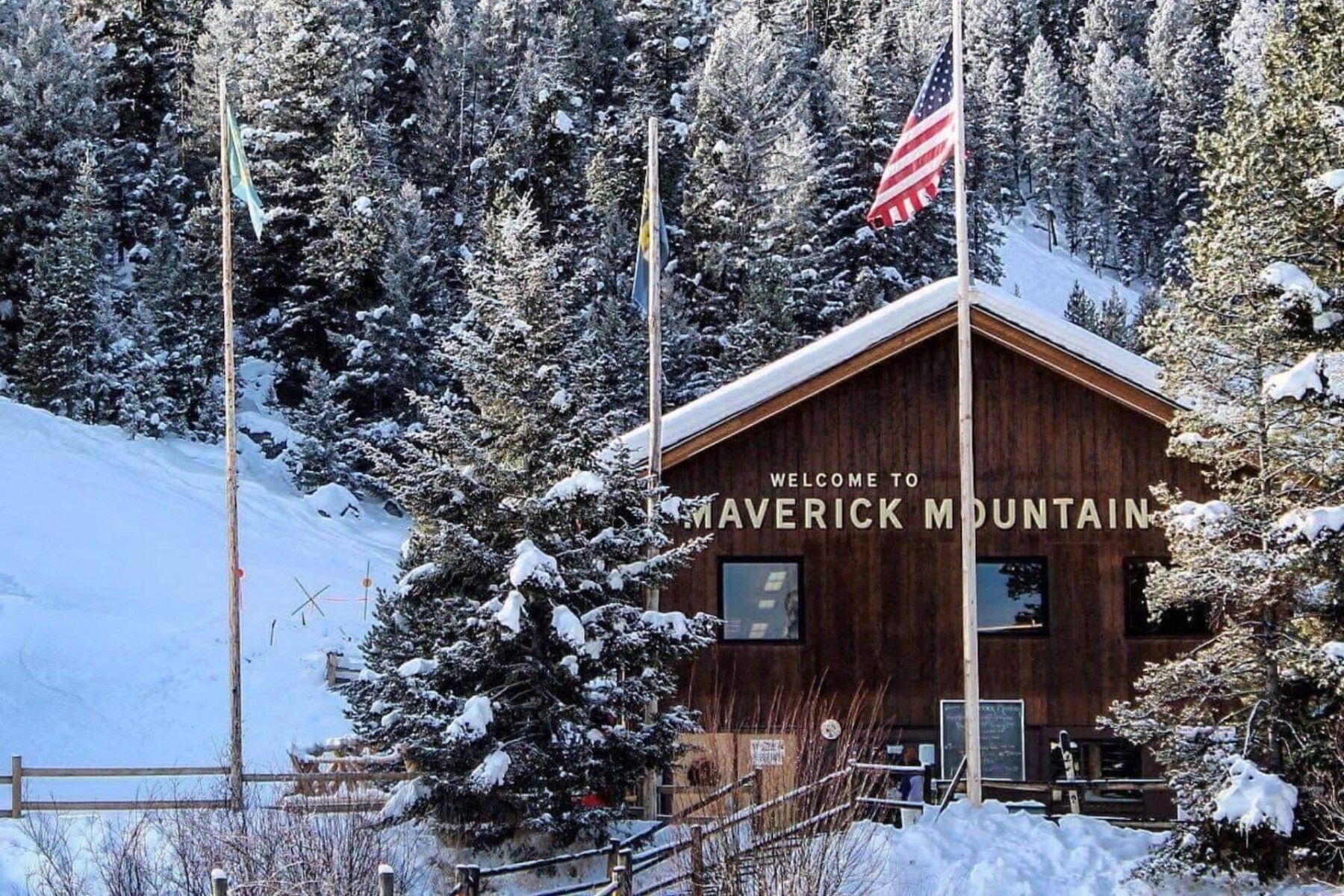
This is a family-owned throwback mountain (think "mom and pop") with all levels of trails divided equally in southwest Montana. Maverick is located just off the Pioneer Mountain Scenic Byway in the Beaverhead-Deerlodge National Forest. There's a 2,020 foot vertical and 24 trails over 255 acres, serviced by 1 chairlift and rope tow.
Montana Snowbowl (Missoula)
Ski or ride on two peaks including Grizzly, a 3-mile cruiser. This is Missoula's local ski hill, but don't underestimate it. It will give you quite a ride with a 2,200 foot vertical drop. Consider this a clue to find another "hidden gem."
Red Lodge (Red Lodge)
This is big mountain Montana skiing (“pure and simple”) at the right price. Red Lodge is the easternmost ski resort in Montana, near the Wyoming border and the northeastern corner of Yellowstone National Park. The vertical drop is 2,400 feet and the skiable terrain covers 1,635 feet. The town of Red Lodge is popular year-round and the ski area is where Billings residents love to play. The ski area is a 6-mile drive from the classic Western town of the same name. It's set within the Beartooth Mountains and delivers all the fun without big crowds or big prices. It's truly known for its friendly staff.
Showdown (Neihart)
Here’s the paradise for intermediate skiers and riders, but gets few visitors that aren't locals from Great Falls. Too bad, but this isn’t too surprising, considering the ski area's isolated location in the Belt Mountains of central Montana. It's a good place for families with its extensive network of groomed trails and affordable lift tickets.
Teton Pass (Choteau)
You'll discover incredible views, mixed terrain, untracked snow and backcounty access here. Teton Pass Ski Resort offers affordable, family skiing and riding on the edge of Montana's Rocky Mountain Front, just east of the Bob Marshall Wilderness Area. There are 400 acres of skiable terrain in the Lewis and Clark National Forest near the town of Choteau. No lift lines here.
Whitefish Mountain Resort (Whitefish)
Look for 3,000 acres of skiable terrain on Big Mountain 8 miles from the delightful resort town that serves as the gateway to Glacier National Park. This resort hasn't changed much since the good old days, with friendly staff and excellent terrain. OK, it changed its name from Big Mountain, though the old name is still apt. There's a vertical drop of 2,353 feet, 105 trails, bowl and tree skiing and four terrain parks.
Here are some Frequently Asked Questions about Montana skiing and riding:
How many ski resorts does Montana have?
There are 14 ski resorts in Montana: Whitefish Resort; Big Sky Resort; Bridger Bowl; Red Lodge Mountain Resort; Lost Trail Powder Mountain; Blacktail Mountain; Bear Paw Ski Bowl; Discovery Basin; Great Divide; Maverick Mountain; Montana Snowbowl; Showdown; Teton Pass Ski Resort; Turner Mountain and Yellowstone Club (private resort).
What is the biggest ski resort in Montana?
Big Sky Resort is the biggest ski resort in Montana. It is the second-largest resort in the U.S. behind Park City, and second in vertical behind only Snowmass in Colorado. More than 30 lifts, many of them high-speed, take skiers and riders to more than 300 runs on 3 mountains.
Does Montana have good skiing?
Absolutely, but it doesn't come top of mind. That's a bummer. That's OK with locals. Montana offers excellent snow and seemingly endless terrain. Montana is known as the Treasure State and skiing or snowboarding its powder means you’ve found it. They go for the well-groomed ski runs, exclusivity, security, and privacy.
Where do celebrities ski in Montana?
Many celebrities choose high-end private ski clubs near Yellowstone and Big Sky. Specifically, they can afford to choose the exclusive 15,200-acre Yellowstone Club. Names such as Bill Gates, Justin Timberlake and Jessica Biel and the late, great filmmaker Warren Miller are among its members.
What 'cool' towns are near Montana’s ski areas?
For starters, most are small and have a character all their own. Whitefish Mountain Resort is a fave because of its world-class ski mountain, proximity to Glacier National Park and Yellowstone National Park and small town charm. Red Lodge is a classic Western town and is always described as “really cool.” Missoula is a lively town for sure and a stop at Charlie’s Bar on Higgins Street is a must. The blue light atop the Hotel Baxter tips off locals about new snow on the mountain in Bozeman. The town feel is laid back and relaxed.
Can you really get there?
Sure, it just takes a bit of planning. Your best bet is flying into Bozeman-Yellowstone International Airport from virtually any of the major U.S. cities East and West and it’s a short drive to Bridger Bowl and not much of a hop to Big Sky. Head into Glacier Park Airport in Kalispell and then drive about 19 miles into Whitefish.
And just how cold is it?
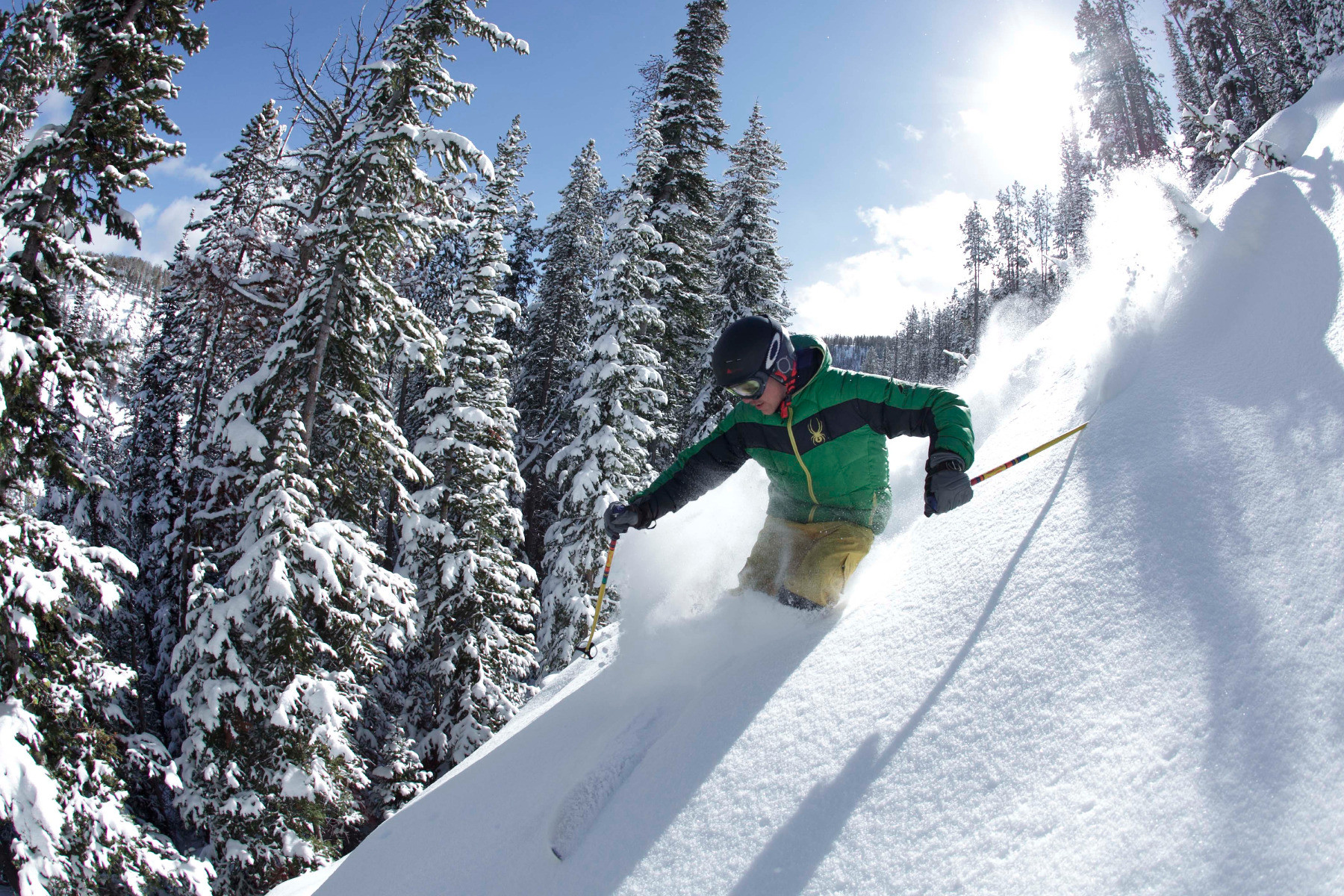
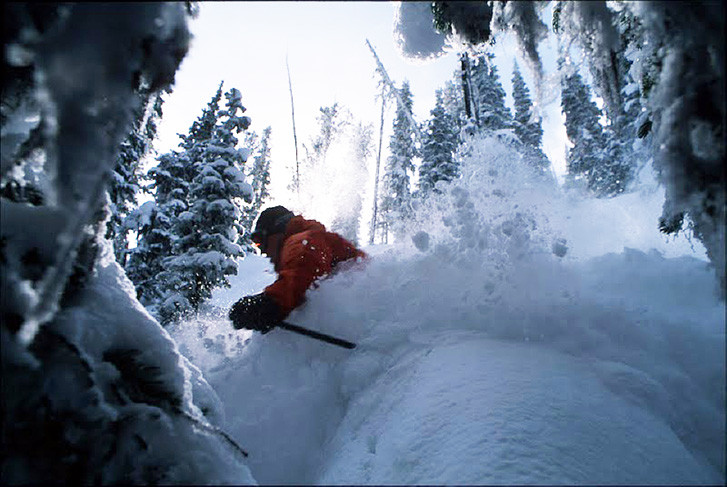
If you’re looking for a tropical climate, turn around. Get the face mask or baklava on and quit whining. You’re likely to hit a below zero day. It’s going to be cold. But, when you discover that famous Montana “cold smoke” snow, you won’t care. It’s a light, dry and seemingly endless snow that follows skiers and boarders during a powder run. Cold smoke is such a regular phenomenon during winter in Montana there’s even a beer named after this type of powder skiing. Many believe February is the best time to ski here, with all ski resorts open.
If skiing and riding is so good, why no lift lines in Montana?
Easy answer. Montana is among the nation’s smallest states – by population, not terrain. Just over a million people live here. Even if every one of them skied, there’s plenty of terrain left and uncrowded slopes for visitors. Lift lines are a rarity.
SkiGPT